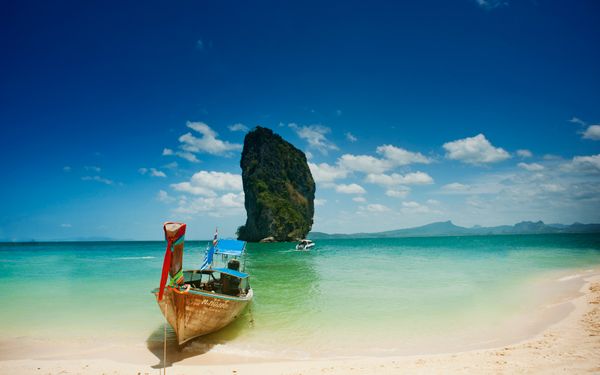

Bali earns its reputation as the Island of the Gods honestly. It is one of the few places on Earth where natural beauty, spiritual depth, culinary pleasure, and a thriving social scene coexist in a single small island. You can watch a Hindu priest conduct a fire ceremony at dawn, walk through emerald rice terraces by mid-morning, eat the most memorable meal of your trip at a roadside warung by noon, surf world-class waves in the afternoon, and watch the sun set over the Indian Ocean from a clifftop temple at dusk — all in the same 24 hours.
This guide covers Bali's essential circuit for first-time and returning visitors from India — Ubud (culture and nature), Seminyak/Canggu (trendy coastal scene), Uluwatu (cliffs and surf), and Nusa Penida (dramatic island day trip). With a realistic INR budget, visa guide, and non-generic tips.
Bali Trip: Quick Summary
| Location | Indonesia — island in the Lesser Sunda Islands |
| Ideal Duration | 7–14 days (minimum 5 days) |
| Budget (from India) | ₹65,000–₹1,20,000 per person (10 days) |
| Best Time to Visit | April–October (dry season); May, June, Sept ideal |
| Currency | Indonesian Rupiah (Rp) — Rp 200 ≈ ₹1 |
| Visa | Visa on Arrival at airport — USD 35 (≈ ₹2,900) |
| Top Highlights | Ubud, Tegallalang, Uluwatu, Nusa Penida, Seminyak |
| Religion | Balinese Hinduism — India's cultural cousin |
Why Visit Bali in 2026?
For Indian travellers, Bali carries a particular resonance — it is an Indonesian island with a Hindu majority culture, where Sanskrit names, sacred offerings (canang sari), temple ceremonies, and the Ramayana are part of daily life. Walking into a Balinese temple and recognising the iconography — Ganesha, Shiva, Lakshmi — is a quietly moving experience. The island's spiritual depth is genuine, not performed for tourists.
Practically, Bali is one of the world's great value destinations — beautiful villas with private pools cost ₹3,000–6,000/night, a full meal at a warung is ₹200–400, and a two-hour traditional massage is ₹600. Its natural beauty — volcanic peaks, jungle waterfalls, sculpted rice terraces, and white sand beaches — is simply stunning. And its tourism infrastructure, developed over 50 years, means getting around, eating well, and staying comfortably is never difficult.
10-Day Bali Itinerary: Day-by-Day
Days 1–4: Ubud — Culture, Jungle & Spiritual Bali

Day 1 — Arrive & Settle into Ubud
- Arrival: Ngurah Rai Airport → Visa on Arrival queue (allow 45–90 min) → taxi or pre-arranged transfer to Ubud (1.5–2 hours, Rp 250,000–400,000 / ₹1,250–2,000).
- Afternoon: Ubud Palace (Puri Saren Agung) — the royal palace at the centre of town, free to enter. Ubud Art Market (Pasar Seni) across the road — bags, sarongs, wooden carvings.
- Evening: Kecak Fire Dance at Pura Dalem Ubud or Uluwatu (check schedule) — the Ramayana performed by 100+ men chanting "cak cak cak" around a fire. Entry Rp 150,000 (₹750). One of the most unforgettable cultural performances in Southeast Asia.
Day 2 — Tegallalang Rice Terraces & Waterfalls
- Early Morning (6am): Tegallalang Rice Terraces — arrive before 7:30am for golden light and no crowds. The UNESCO-listed subak irrigation system that has shaped these terraces for a thousand years. Entry Rp 50,000 (₹250) at the viewing platforms.
- Mid-morning: Kanto Lampo or Tegenungan Waterfall — jungle waterfalls 20 min from Ubud by scooter. Swim at the base. Entry Rp 20,000–50,000.
- Afternoon: Campuhan Ridge Walk — a free 2km walk along a ridge through rice fields and jungle starting from Jl. Raya Campuhan, Ubud. One of Bali's most beautiful free experiences. Best light: golden hour.
- Evening: Cooking class at Paon Bali or Casa Luna — learn to make black rice pudding, jukut urap (vegetable coconut salad), and Balinese chicken satay. (Rp 350,000–500,000 / ₹1,750–2,500 including 3-course meal.)
Day 3 — Sacred Temples & Holy Water
- Morning: Tirta Empul Temple — Bali's holiest water temple. A spring has gushed from this sacred pool since 926 AD. You can participate in the Hindu purification ritual (wear sarong, no menstruating women permitted per Balinese custom — signs at entry). Entry Rp 50,000 (₹250).
- Midday: Pura Gunung Kawi — an 11th century rock-cut temple complex carved directly into a clifface, accessed via 315 stone steps through a jungle river gorge. One of Bali's most atmospheric and undervisited temples. Entry Rp 50,000.
- Afternoon: Goa Gajah (Elephant Cave) — a 9th century Hindu sanctuary with a giant demon mouth entrance carved into the cave wall. Entry Rp 50,000.
- Evening: Dinner at Locavore (fine dining, Ubud's most celebrated restaurant — book 2–3 months ahead) or a simple feast at Warung Babi Guling Ibu Oka — Bali's most famous suckling pig warung.
Day 4 — Mount Batur Sunrise Trek
- 4am: Begin guided trek up Mount Batur (1,717m active volcano). The 2-hour ascent reaches the crater rim just as dawn breaks over Lake Batur and Mount Agung. Cook eggs in volcanic steam vents at the summit. Return by 10am. (Guided trek Rp 300,000–450,000 / ₹1,500–2,250 per person including guide and breakfast.)
- Afternoon: Rest and pool time. Transfer to south Bali (Seminyak or Canggu) — 1.5 hours by private driver.
Days 5–7: Seminyak, Canggu & Nusa Penida

Day 5 — Nusa Penida Day Trip (from Sanur)
- Early Morning (7am): Fast boat from Sanur Beach to Nusa Penida (30 min, Rp 250,000 / ₹1,250 one way). Hire a driver on the island for the day (Rp 400,000–600,000 / ₹2,000–3,000).
- Morning: Kelingking Beach — the iconic T-Rex/dinosaur shaped cliff with teal water below. Walk down the steep path for a closer view (physically demanding — 30 min down, 45 min back up). The most photographed cliff in Southeast Asia.
- Afternoon: Angel's Billabong (natural infinity pool carved into cliff rock), Broken Beach (natural bridge arch over crystal water), Crystal Bay (calm snorkelling beach, spot mola-mola sunfish August–October).
- Evening: Fast boat back to Sanur. Check into hotel in Seminyak or Canggu.
Day 6 — Seminyak & Petitenget Beach
- Morning: Walk Seminyak and Petitenget Beach at sunrise. Seminyak has Bali's best boutique shopping — browse Jl. Kayu Aya (Eat Street) for handmade fashion, jewellery, homewares.
- Afternoon: Beach club day — Potato Head Beach Club (iconic design, pool, sunset views), La Favela (tropical garden bar), or the more exclusive Soori Bali for a quieter scene.
- Evening: Dinner at Merah Putih (modern Indonesian fine dining in a stunning bamboo pavilion), Sardine (French-Indonesian in a rice field), or Da Maria (stylish Italian).
Day 7 — Canggu: Surf, Cafes & Digital Nomad Scene
- Morning: Surf lesson at Batu Bolong Beach, Canggu — beginners waves, multiple surf schools (Rp 200,000–350,000 / ₹1,000–1,750 for 2-hour lesson).
- Afternoon: Explore Canggu's café scene — The Shady Shack (vegetarian bowls in a garden), Sprout (health cafe), REVOLVER Espresso. This area has become a hub for Bali's digital nomad community.
- Evening: Sunset at Old Man's beach bar (Batu Bolong) — Bali's most social sunset spot, cold Bintang beer, live acoustic music.
Days 8–10: Uluwatu — Cliffs, Surf & Hindu Temples
Day 8 — Uluwatu Temple & Kecak Dance
- Afternoon: Uluwatu Temple (Pura Luhur Uluwatu) — perched on a 70-metre cliff above the crashing Indian Ocean. One of Bali's six directional temples. Arrive 3pm for exploring, stay for the famous Kecak Fire Dance at sunset (6pm, entry Rp 150,000 / ₹750). Guard your glasses and loose items from the resident monkeys.
- Evening: Dinner at Single Fin Bar and Restaurant, overlooking the Uluwatu surf break — a perfect sunset dinner with views of surfers in the waves below.
Day 9 — Bingin & Padang Padang Beach
- Morning: Padang Padang Beach — accessed through a narrow rock crevice, this compact beach has a wild, paradise feel. Made famous by the film "Eat Pray Love." Entry Rp 20,000.
- Afternoon: Bingin Beach — a hidden-gem beach below the cliff accessible via steep stone steps. Rent a sun lounger and order fresh juice from the cliff shacks. Snorkel the reef.
- Evening: Thomas Beach or Balangan Beach — quieter alternatives with even fewer tourists. Sunset colours over the Indian Ocean at these west-facing beaches are extraordinary.
Day 10 — Tanah Lot & Departure
- Morning: Tanah Lot Temple — Bali's most iconic coastal temple, built on an offshore rock formation. Best at low tide when you can walk to the base. Entry Rp 75,000 (₹375). Arrive before 9am for good light.
- Midday: Last warung lunch, final souvenir shopping at Seminyak market. Transfer to airport for departure (Ngurah Rai — allow 2 hours in peak traffic).
Budget Breakdown (Per Person, 10 Days)
| Expense | Budget | Mid-Range | Luxury |
|---|---|---|---|
| Return Flights (India) | ₹18,000 | ₹28,000 | ₹60,000+ |
| Visa on Arrival | ₹2,900 | ₹2,900 | ₹2,900 |
| Accommodation (10 nights) | ₹15,000 (guesthouses) | ₹40,000 (private pool villa) | ₹1,50,000+ (luxury villa/resort) |
| Food (10 days) | ₹6,000 (warungs) | ₹18,000 (restaurants) | ₹50,000+ |
| Driver + Transport | ₹8,000 | ₹15,000 | ₹25,000 |
| Tours & Activities | ₹8,000 | ₹15,000 | ₹30,000 |
| Total (approx.) | ₹57,900 | ₹1,18,900 | ₹3,17,900+ |
Where to Stay in Bali
Budget (₹800–2,500/night)
Bali has excellent budget accommodation. Ubud: Nick's Pension (traditional Balinese garden setting), Oka Wati Hotel. Canggu: Nanu Canggu (social hostel with great pool). Kuta: Numerous guesthouses from ₹800/night — but Kuta is the least appealing area for thoughtful travellers.
Mid-Range — Private Pool Villas (₹3,500–8,000/night)
Bali's greatest value-for-money secret: a fully private villa with your own pool, tropical garden, and daily breakfast costs ₹4,000–6,000/night in Ubud or Canggu. Komaneka at Bisma (Ubud, hillside infinity pool) and Alaya Resort Ubud are outstanding. In the south, browse villa rental platforms — groups of 4+ get exceptional rates.
Luxury (₹15,000–80,000+/night)
Como Uma Ubud, Four Seasons Sayan (suspended above a river valley in Ubud — jaw-dropping), Amandari (Ubud), and Bulgari Resort Bali (Uluwatu, directly above the Indian Ocean) represent Bali's world-class luxury tier. Beach areas: The Layar and Alila Villas Uluwatu are genuinely exceptional.
Food & Local Experiences
Balinese cuisine is distinct from mainland Indonesian food — more complex spice pastes (basa gede), more ritualistic preparation, and an abundance of fresh tropical produce.
- Nasi Goreng — fried rice with egg, kecap manis (sweet soy), prawn crackers. Ubiquitous, endlessly variable, always satisfying. ₹100–300 at warungs.
- Babi Guling (suckling pig) — Bali's ceremonial dish, slow-roasted over coconut husks with spice paste. Ibu Oka in Ubud serves the definitive version. Rp 50,000–80,000 (₹250–400) for a full plate.
- Bebek Betutu (smoked duck) — wrapped in banana leaves and slow-cooked for hours. Rich, intensely spiced. Try at Bebek Bengil (Dirty Duck Diner, Ubud).
- Lawar — a traditional Balinese salad of finely minced meat, vegetables, and spices. A ceremonial dish eaten at temple festivals.
- Warung meals — eat where locals eat. A full rice meal with two or three dishes costs ₹100–200. The best warungs have no English signs and are full of locals.
- Fresh fruit — mangosteen, rambutan, salak (snake fruit), and papaya are extraordinary in Bali. Buy from market vendors at Rp 10,000–30,000 (₹50–150) per kilo.
How to Reach Bali from India
Direct Flights: IndiGo operates direct Delhi → Bali (DPS) flights. Air India flies direct from Mumbai. Most routes from other Indian cities connect via Singapore, Kuala Lumpur, or Jakarta (2-stop). Total flight time: approximately 5.5–7 hours direct, 9–13 hours with connection.
Airport: Ngurah Rai International Airport (DPS) in Denpasar, 30–45 minutes from Kuta/Seminyak, 1.5–2 hours from Ubud. Always pre-arrange a driver or use the official Blue Bird taxi rank (avoid unlicensed touts).
Best booking window: 2–3 months ahead for peak season (July–August, December–January). 4–6 weeks ahead for dry season travel.
Best Time to Visit Bali — Month-by-Month
| Month | Weather | Crowds | Notes |
|---|---|---|---|
| Jan–Mar | 28–32°C, wet afternoons | Low | Lush green landscape; cheaper prices; Nyepi Day (Balinese New Year silence) |
| Apr–Jun ⭐ | 27–31°C, dry | Medium | Ideal — warm, clear, less crowded than summer |
| Jul–Aug | 27–31°C, dry | Peak | Busiest; Bali Arts Festival (June–July); book everything early |
| Sep–Oct ⭐ | 28–32°C, mostly dry | Medium | Sweet spot — great weather, fewer crowds, mola-mola diving at Crystal Bay |
| Nov–Dec | 28–33°C, wetter | Medium-High | Wet season begins; Christmas/New Year peak with high prices |
Bali Travel Tips (Non-Generic)
- Arrange your driver in advance — having a personal driver for your Bali stay (Rp 500,000–700,000 / ₹2,500–3,500 per day for 8 hours) is the single most useful logistics decision. Bali has no public transport. Your hotel or villa can recommend reliable drivers — or use Get Your Guide / Klook.
- Money changers — use authorised ones only — look for PT Dirgahayu signs (official). Never use street changers who flash enormous stacks of notes — the "big notes trick" is Bali's most persistent scam.
- Always carry a sarong — required (or available to borrow for Rp 10,000) at all Hindu temples. Keep one in your bag throughout your trip.
- Respect ceremony disruption rules — if a temple ceremony is in progress, do not enter or photograph without permission. If you encounter a ngaben (cremation procession) on the road, wait quietly for it to pass.
- Sunscreen matters — the equatorial sun burns fast, especially on Nusa Penida and open beaches. Bring your own — quality sunscreen is expensive in Bali (≥SPF 50 recommended).
- Plastic bag etiquette — Bali banned single-use plastics in 2019. Carry a reusable bag and water bottle (refill stations at many hotels and cafes).
- Don't drink tap water — always drink bottled or filtered water. Most quality restaurants and hotels use filtered water for cooking and ice.
- Bargaining at markets — fixed prices only exist in supermarkets and upscale shops. At markets, start at 30–40% of the asking price and meet in the middle with a smile. Always friendly — never aggressive.
Related Travel Guides
- Thailand Travel Guide 2026 — Temples, Islands & Street Food
- Japan Travel Guide 2026 — Temples, Bullet Trains & World-Class Food
- Maldives Travel Guide — Overwater Villas & Pristine Reefs
- Vietnam Travel Guide — Ha Long Bay, Hoi An & Hanoi
- Singapore Travel Guide — Asia's Most Efficient City
Frequently Asked Questions About Bali
The best time is the dry season: April–October. May, June, and September are ideal — warm (27–31°C), low humidity, clear skies, and fewer crowds than peak July–August. November to March is the wet season with heavy afternoon rains, though mornings are usually clear. July–August is the busiest and most expensive period.
Indian passport holders need a Visa on Arrival (VoA) at Ngurah Rai Airport. Cost: USD 35 (approximately ₹2,900). Valid for 30 days, extendable once for 30 more days. You need a valid passport, return ticket, and proof of accommodation. An e-Visa can also be applied for online before travel.
A minimum of 7 days covers the essentials: 3–4 days in Ubud (culture, rice terraces, temples), 3–4 days in the south (Seminyak, Canggu, or Uluwatu). 10 days adds Nusa Penida and Mount Batur. Many visitors extend to 2–3 weeks and still wish they'd stayed longer. There's no upper limit on a Bali stay.
A 10-day Bali trip from India costs approximately ₹70,000–₹1,20,000 per person for mid-range travel: return flights (₹22,000–32,000), Visa on Arrival (₹2,900), private pool villa accommodation (₹35,000–45,000), food (₹12,000–18,000), driver and transport (₹12,000–15,000), and activities (₹10,000–15,000). Budget travellers managing on ₹55,000–65,000 total is very achievable.
Bali is excellent for vegetarians — especially in Ubud, which has one of Southeast Asia's best plant-based dining scenes. The Hindu cultural context means temple areas typically serve vegetarian food. Clear Cafe, Moksa, The Shady Shack, and many warungs offer excellent vegetarian and vegan options. Even standard warungs can make veg nasi campur (mixed rice plate) on request.
Must-do Bali activities: Tegallalang rice terrace sunrise, Kecak Fire Dance at Uluwatu, Mount Batur sunrise trek, day trip to Nusa Penida (Kelingking Beach), Tirta Empul holy water purification ritual, cooking class in Ubud, sunset at Tanah Lot Temple, surfing lesson in Canggu, and a traditional Balinese massage (1.5 hours for ₹500–800).
Yes — Bali is one of Asia's most solo-female-friendly destinations. Violent crime against tourists is rare. The biggest practical concerns are traffic (rent a scooter only if experienced), and standard solo travel precautions (don't leave drinks unattended, avoid being excessively drunk in tourist areas late at night). Ubud is particularly safe and welcoming for solo women, with a large community of female travellers and expats.
Bali has no public transport. Options: 1) Hire a private driver for the day (Rp 500,000–700,000 / ₹2,500–3,500 for 8 hours — best value for families/couples visiting multiple sites); 2) Use Gojek or Grab apps within towns for point-to-point rides; 3) Rent a scooter (Rp 60,000–100,000/day — only for experienced riders). Arrange your driver through your villa/hotel for reliability.
Absolutely — Nusa Penida is one of Southeast Asia's most dramatic natural destinations. Kelingking Beach's T-Rex shaped cliff, Angel's Billabong, Broken Beach, and Crystal Bay snorkelling are world-class. Take a fast boat from Sanur (30 min, Rp 250,000 one way). Go for a day trip or stay 1–2 nights for a more relaxed pace. The roads are rough — hire a driver on the island (Rp 400,000–600,000/day).
Bali uses Indonesian Rupiah (IDR, Rp). As of 2026, approximately Rp 200 ≈ ₹1 (so Rp 1,000,000 ≈ ₹5,000). Cards are accepted at most hotels, restaurants, and shops — but carry cash (Rp 500,000–1,000,000 / ₹2,500–5,000) for warungs, temples, markets, and tuk-tuks. Change money at official PT Dirgahayu changers (best rates) — never street touts.