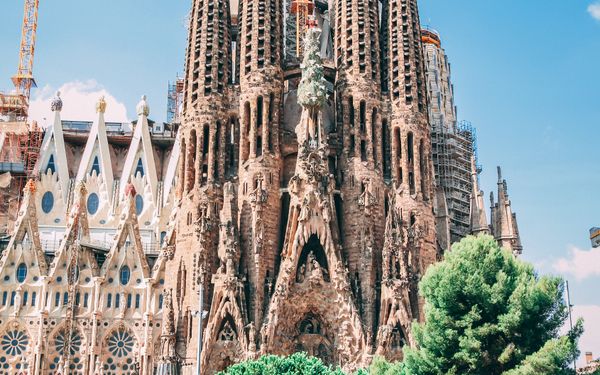

Italy is the country that invented "la dolce vita" — the sweet life — and makes good on its promise at every turn. It has more UNESCO World Heritage Sites than any country on Earth (58 at last count), more Michelin-starred restaurants than France in some years, and a capacity for beauty — in its piazzas, its architecture, its food, its people — that is simply unmatched. Walking through Rome's ancient Forum, you stand on ground where Julius Caesar walked. Standing in the Uffizi Gallery in Florence, you look at paintings that changed how humanity understood art. These are not small experiences.
This guide covers Italy's essential 10-day circuit for Indian travellers — Rome, Florence, Venice, and the Amalfi Coast — with a realistic budget, Schengen visa guide, and tips that go beyond "book the Vatican in advance."
Italy Trip: Quick Summary
| Location | Southern Europe — Mediterranean peninsula |
| Ideal Duration | 10–14 days (minimum 7 days) |
| Budget (per person/day) | €60–80 budget / €120–180 mid-range / €300+ luxury |
| Best Time to Visit | April–June & September–October |
| Currency | Euro (€) — 1 EUR ≈ ₹90 |
| Visa for Indians | Yes — Schengen Visa (apply 4–6 weeks ahead) |
| Top Highlights | Rome, Vatican, Venice, Florence, Amalfi, Cinque Terre |
| Language | Italian — English widely spoken in tourist areas |
10-Day Italy Itinerary: Day-by-Day
Days 1–3: Rome — The Eternal City

Day 1 — Ancient Rome: Colosseum, Forum & Palatine Hill
- Morning (8am): Colosseum — book skip-the-line tickets online 2–3 weeks ahead (€18). The world's largest ancient amphitheatre, built in 70–80 AD, held 80,000 spectators. Combined ticket includes Roman Forum and Palatine Hill.
- Afternoon: Roman Forum and Palatine Hill — walk through the heart of the ancient Roman Republic and Empire. The Temple of Saturn, Arch of Titus, and House of Augustus are highlights.
- Evening: Trastevere neighbourhood — Rome's most atmospheric medieval quarter. Dinner at a traditional trattoria (bucatini all'amatriciana or cacio e pepe, €12–18 per main course). Gelato from Fatamorgana or Giolitti after dinner.
Day 2 — Vatican City: Sistine Chapel & St Peter's
- Morning (8am sharp): Vatican Museums and Sistine Chapel — Michelangelo's ceiling (1508–1512) is genuinely one of humanity's greatest artistic achievements. Book tickets minimum 3 weeks in advance (€17 standard / €32 skip-the-line). Allow 3–4 hours.
- Midday: St Peter's Basilica (free entry) — the world's largest church. Climb the dome for panoramic Rome views (€8). St Peter's Square designed by Bernini.
- Afternoon: Castel Sant'Angelo (Hadrian's Mausoleum) — the cylindrical fortress overlooking the Tiber. Beautiful sunset views from the ramparts. €15 entry.
- Evening: Campo de' Fiori market square for aperitivo (spritz and snacks). Piazza Navona for the baroque fountain spectacle — Bernini's Fountain of the Four Rivers.
Day 3 — Spanish Steps, Trevi Fountain & Pantheon
- Early Morning (6:30am): Trevi Fountain before the crowds — empty at dawn, impossible at midday. The world's most famous Baroque fountain, completed 1762.
- Morning: Pantheon — the best-preserved Roman temple (118–125 AD), free entry, extraordinary oculus (open hole in the dome). Spanish Steps and Via Condotti for luxury shopping.
- Afternoon: Borghese Gallery — Rome's finest art collection in a lavish Villa. Pre-booking essential (limited entry, €15). Caravaggio, Bernini, Raphael. Or Villa Borghese park for a relaxed afternoon.
Days 4–5: Florence — Renaissance Capital of the World

Day 4 — Arrive Florence + Duomo & Uffizi
- Morning: High-speed train Rome → Florence Santa Maria Novella (1.5 hours, €25–45 booked in advance). Check in. Florence Cathedral (Il Duomo) — Brunelleschi's dome is a Renaissance engineering marvel. Climb it (€30) for city views. Giotto's Bell Tower alongside.
- Afternoon: Uffizi Gallery — the world's greatest collection of Italian Renaissance art. Botticelli's Birth of Venus and Primavera, Leonardo da Vinci, Raphael, Michelangelo. Book tickets weeks in advance (€20–25). Allow 3 hours minimum.
- Evening: Cross Ponte Vecchio (the only medieval bridge in Florence, shops built on it since 1593) to Oltrarno neighbourhood — Florence's most local, least touristy area. Dinner at Buca Mario or Il Latini.
Day 5 — David, Piazzale Michelangelo & Chianti
- Morning: Accademia Gallery — Michelangelo's David (1501–1504). The 5.17-metre marble statue in person is a different experience from photographs. Book tickets in advance (€16). Also contains Michelangelo's Slaves — half-finished statues that seem to struggle to emerge from the marble.
- Afternoon: Optional day trip to Chianti wine country (1 hour drive) — rolling Tuscan hills, cypress trees, medieval hilltop towns (San Gimignano, Siena), wine tasting at estate wineries. Or Piazzale Michelangelo — the panoramic terrace above the city with the best view of Florence's skyline and the Duomo.
- Evening: Mercato Centrale (Central Market) food hall, first floor — outstanding quality Italian produce, pasta, lampredotto (Florentine tripe — try it). Or fine dining at Enoteca Pinchiorri (3 Michelin stars — book months ahead).
Days 6–7: Venice — The Floating City

Day 6 — Arrive Venice + Grand Canal & San Marco
- Morning: Train Florence → Venice Santa Lucia (2 hours, €25–50). Step off the train and you're immediately on the Grand Canal — the most dramatic train arrival in the world. Take vaporetto (water bus) Line 1 slowly down the Grand Canal to absorb the palazzi and bridges.
- Afternoon: St Mark's Basilica (free, book timed entry online) — Byzantine gold mosaics covering 8,000 square metres of ceiling. Doge's Palace next door (€25, combined ticket) — the seat of Venetian power for 1,000 years. Secret Itineraries tour reveals hidden chambers.
- Evening: Avoid tourist restaurants on Piazza San Marco. Walk to Cannaregio or Dorsoduro districts for cicchetti (Venetian tapas) — small bites of crostini with salt cod, artichoke hearts, marinated sardines — at local bacari (wine bars). €1–2 per piece, €4–6 for a glass of prosecco.
Day 7 — Islands: Murano, Burano & Torcello
- Morning: Vaporetto to Murano Island — Venetian glass-blowing tradition since 1291. Watch a free demonstration, buy direct from the furnace. Burano Island — the most colourful place in Italy, each house a different vivid hue. Famous for handmade lace.
- Afternoon: Torcello — the oldest settled island in the lagoon, now home to just 11 permanent residents. Cathedral of Santa Maria Assunta has the oldest Venetian mosaics (639 AD).
- Evening: Sunset from the Accademia Bridge over the Grand Canal. Last cicchetti dinner in Dorsoduro. Gondola ride (€80–100 for 30 min, split between 6 people) — quintessential Venice, best at twilight.
Days 8–10: Amalfi Coast — Italy's Most Dramatic Coastline
- Day 8: Train Venice → Naples (4.5 hours high-speed). Check into Positano or Amalfi town. The drive along the SS163 cliff road from Naples to Positano (2 hours) is one of the world's great drives. Narrow roads, sheer cliffs, lemon groves, turquoise sea.
- Day 9: Boat trip along the coast (€30–50/person, full day) — Emerald Grotto cave, Capri island (the Blue Grotto), Ravello villa gardens. Or hike the Path of the Gods (Sentiero degli Dei) — a 7km clifftop trail with extraordinary views.
- Day 10: Pompeii (30 min from Naples) — the Roman city frozen in time by Vesuvius's eruption in 79 AD. Entry €16, allow half a day. Train Naples → Rome airport for departure.
Budget Breakdown (Per Person, 10 Days)
| Expense | Budget | Mid-Range | Luxury |
|---|---|---|---|
| Return Flights (India) | ₹45,000 | ₹65,000 | ₹1,50,000+ |
| Schengen Visa | ₹8,000 | ₹8,000 | ₹8,000 |
| Accommodation (10 nights) | ₹40,000 (hostels/budget hotels) | ₹90,000 (3-star) | ₹2,50,000+ (boutique/5-star) |
| Food (10 days) | ₹25,000 (trattorias) | ₹55,000 (restaurants) | ₹1,20,000+ |
| Inter-city Trains | ₹8,000 | ₹12,000 | ₹20,000 |
| Museums & Entry Fees | ₹8,000 | ₹15,000 | ₹25,000 |
| Total (approx.) | ₹1,34,000 | ₹2,45,000 | ₹5,73,000+ |
Where to Stay in Italy
Budget (€40–80/night)
Rome: The Beehive (best hostel in Rome, near Termini), Ostello Bello Roma. Florence: Academy Hostel, SoprArno Suites. Venice: Generator Hostel Venice (Giudecca island, great canal views).
Mid-Range (€100–200/night)
Rome: Hotel Campo de' Fiori (rooftop terrace), Donna Camilla Savelli. Florence: Hotel Davanzati, Soprarno Suites. Venice: Palazzo Veneziano, Ca' dei Conti.
Luxury (€300+/night)
Rome: Hotel de Russie, J.K. Rome. Florence: Belmond Villa San Michele (former monastery), Portrait Firenze. Venice: Belmond Hotel Cipriani (private island, boat transfer), Aman Venice. Amalfi Coast: Belmond Hotel Caruso (Ravello, world-class cliff views), Le Sirenuse (Positano).
Food & Local Experiences
- Rule 1 — Avoid tourist menus — any restaurant on a famous piazza with a photo menu and a man outside inviting you in is a tourist trap. Walk 2 streets away and find where locals eat.
- Neapolitan pizza — the only authentic Italian pizza has a thin, charred, chewy base. Try Pizzeria da Michele (Naples, since 1870 — only serves Margherita and Marinara) or 50 Kalò. Rome has its own pizza al taglio (by the slice) tradition — completely different.
- Pasta rules — in Rome: cacio e pepe (pecorino, black pepper), bucatini all'amatriciana (guanciale, tomato, pecorino). In Bologna: tagliatelle al ragù (never spaghetti bolognese — that's not Italian). In Venice: bigoli in salsa (thick spaghetti with anchovy and onion sauce).
- Gelato — artisan gelato (artigianale) is stored in steel containers with lids, not piled high in brightly coloured mounds. The latter is tourist gelato with artificial colours and preservatives. Follow locals to the real thing.
- Espresso culture — always stand at the bar (barista) for your coffee — it costs €1–1.50 versus €3–5 seated. Never order a cappuccino after 11am (Italians consider it a breakfast drink). "Un caffè" means espresso.
How to Reach Italy from India
Direct Flights: Air India flies direct Delhi → Rome Fiumicino (FCO). Most other routes connect via London, Frankfurt, Dubai, or Abu Dhabi. Flight time: approximately 9–10 hours direct, 12–16 hours via connection.
Entry airport: Rome Fiumicino (FCO) is the primary gateway. Milan Malpensa (MXP) is ideal if starting in northern Italy. Venice Marco Polo (VCE) and Florence Amerigo Vespucci (FLR) are smaller alternatives.
Schengen Visa for Indians: Apply at VFS Global Italy centre or Italian Embassy 4–6 weeks ahead. Required documents: confirmed hotel bookings, travel insurance (€30,000 minimum coverage), bank statements (last 3 months), flight itinerary, and leave letter from employer.
Best Time to Visit Italy — Month-by-Month
| Month | Weather | Crowds | Notes |
|---|---|---|---|
| Jan–Mar | 8–15°C (north), 12–18°C (south) | Low | Venice Carnival (Feb); cheapest prices; ski season in Alps |
| Apr–Jun ⭐ | 18–25°C | Medium-High | Ideal — spring flowers, comfortable temperatures, manageable crowds |
| Jul–Aug | 28–38°C | Peak | Very hot; Ferragosto (15 Aug) — many local businesses close; beach season |
| Sep–Oct ⭐ | 20–27°C | Medium | Excellent — harvest season, truffle festivals, warm sea, fewer crowds |
| Nov–Dec | 10–18°C | Low | Christmas markets; Venice floods (acqua alta); low prices |
Italy Travel Tips
- Book Colosseum, Vatican, Uffizi, Borghese Gallery, and Accademia weeks in advance — these are the most visited museums in the world and timed entry is mandatory. Same-day queuing is either impossible or very long.
- Validate your train ticket — before boarding regional trains, stamp your ticket in the yellow validation machine on the platform. Failure to validate is an on-the-spot fine of €50+.
- Dress codes for churches — shoulders and knees covered for all churches, including the Vatican. No swimwear in churches or on streets in beach towns (fines apply in some Amalfi towns).
- No cappuccino after 11am — Italians genuinely judge this. Order an espresso or macchiato after lunch.
- Fountain water is potable — Rome has over 2,500 free drinking fountains (nasoni) throughout the city. Fill your water bottle and save €2–3 per bottle throughout the day.
- Pickpocket awareness — Rome (Colosseum area, Termini station, buses 40 and 64) and Florence (Uffizi queues) have active pickpocket activity. Use a money belt for passports and keep phones in front pockets.
Related Travel Guides
- Greece Travel Guide 2026 — Islands, Ruins & Mediterranean Magic
- France Travel Guide 2026 — Paris, Provence & the French Riviera
- Spain Travel Guide 2026 — Barcelona, Andalusia & the Balearics
- Portugal Travel Guide 2026 — Lisbon, Porto & the Algarve
- Turkey Travel Guide 2026 — Istanbul, Cappadocia & the Aegean
Frequently Asked Questions About Italy
April to June and September to October are ideal — mild (18–25°C), manageable crowds, and lower prices than peak summer. July and August are very hot (30–38°C) with maximum crowds. Winter is quiet and cheap, excellent for Rome. Spring has festivals and blooms across Tuscany.
Yes — Indians need a Schengen Visa (Type C). Apply at VFS Global Italy or the Italian Embassy 4–6 weeks before travel. Required: confirmed hotels, return flights, travel insurance (€30,000 minimum), 3 months bank statements, and employer leave letter. The visa allows entry to all 27 Schengen countries for 90 days within 180.
Minimum 10 days: Rome (3 days), Florence (2 days), Venice (2 days), Amalfi/Cinque Terre (3 days). Two weeks adds Naples, Pompeii, Tuscany wine country, or Milan. Three weeks covers all major regions. Most first-time visitors wish they'd stayed longer — Italy repays extended exploration.
Italy is moderately expensive. Budget travellers manage on €60–80/day (hostel + trattorias). Mid-range travellers spend €120–180/day (3-star hotels, restaurant dining). Venice and the Amalfi Coast are more expensive. Southern Italy (Naples, Sicily, Puglia) is notably cheaper than the north and central regions.
Must-try: authentic Neapolitan pizza (Naples), cacio e pepe pasta (Rome), tagliatelle al ragù in Bologna, cicchetti in Venice, ribollita in Tuscany, gelato artisanale everywhere, and espresso standing at the bar. Avoid tourist restaurants on famous piazzas — walk 2 streets away for local quality at half the price.
Italy's high-speed rail is excellent. Trenitalia and Italo connect Rome, Florence, Bologna, Venice, Naples, and Milan with 1.5–4.5 hour journeys. Book 2–4 weeks ahead for best prices. Within cities, walk or use public transport. Venice has no cars — vaporetto (water bus) is the only option alongside walking.
Rome essentials: Colosseum and Roman Forum, Vatican Museums and Sistine Chapel, Pantheon (free entry), Trevi Fountain (visit at dawn), Piazza Navona, Borghese Gallery, Trastevere neighbourhood for dinner, and the view from Janiculum Hill. Book Colosseum and Vatican tickets weeks in advance.
Absolutely — Venice is unlike any city on Earth. Go early morning (6–8am) to experience it before cruise ship passengers arrive. Must-see: St Mark's Basilica, Doge's Palace, Rialto fish market (morning), a slow vaporetto ride on the Grand Canal, and the island day trip to Murano (glass) and Burano (colourful houses). Stay at least 2 nights to experience the city after day-trippers leave.