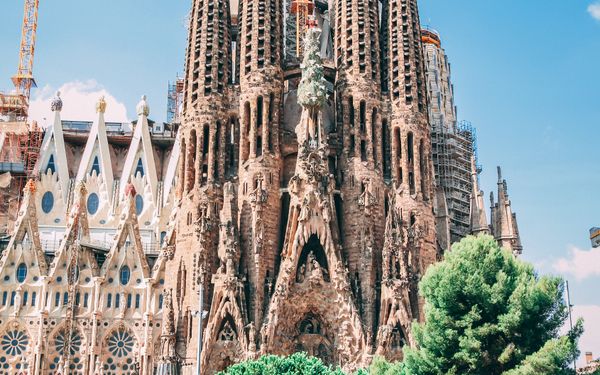

Germany is a country of extraordinary contrasts — a nation that has rebuilt itself from the ruins of history into one of Europe's most dynamic, creative, and welcoming travel destinations. From the edgy, ever-evolving energy of Berlin to the baroque grandeur of Munich, from fairy-tale castles rising above the Bavarian Alps to medieval walled towns along the Romantic Road, and from the brooding forests of the Black Forest to the vineyard-draped Rhine Valley, Germany's diversity is genuinely staggering.
With approximately 35 million international visitors per year, Germany ranks eighth among the world's most visited countries. This Germany travel guide covers everything you need for an unforgettable journey through one of Europe's most rewarding destinations — from must-see landmarks to the best time to visit, where to stay, and how to get around.
Why Visit Germany?
Germany rewards the curious traveller with layers of history, culture, and natural beauty that few countries can match. The country's castles — from the iconic Neuschwanstein (which inspired Disney's Sleeping Beauty Castle) to the hundreds of fortresses lining the Rhine Valley — are among Europe's most spectacular. Berlin is one of the world's great cities for art, architecture, nightlife, and confronting the rawest chapters of 20th-century history. Germany's Christmas markets, particularly in Nuremberg, Cologne, Strasbourg (Alsace), and Dresden, are legendary winter experiences. And of course, Oktoberfest in Munich is the world's largest folk festival, attracting over 6 million visitors to a celebration of Bavarian culture, beer, and gemütlichkeit.
Top 10 Things to Do in Germany
1. Explore Berlin's History & Art

Berlin is unlike any other European capital. The city wears its history openly — the Brandenburg Gate, symbol of German reunification; the haunting Memorial to the Murdered Jews of Europe; the East Side Gallery, the world's largest open-air gallery painted on the longest surviving stretch of the Berlin Wall; and Checkpoint Charlie, the famous Cold War crossing point. The city's Museum Island (a UNESCO World Heritage Site) houses five world-class museums including the Pergamon Museum with its reconstructed ancient Greek altar. Beyond history, Berlin's contemporary art scene, club culture in former industrial spaces, and neighbourhood markets in Prenzlauer Berg and Mitte make it one of the most exciting cities in the world.
2. Visit Neuschwanstein Castle
No Germany travel guide is complete without Neuschwanstein — the fairy-tale castle commissioned by the eccentric "Mad King" Ludwig II of Bavaria and completed in 1892. Perched on a rocky outcrop in the Bavarian Alps near Füssen, its white towers rise from dark pine forest against a backdrop of mountains and alpine lakes. The interior is equally extraordinary — every room dripping in Romanesque Revival imagery drawn from Wagnerian opera. Hohenschwangau Castle, where Ludwig II grew up, stands just a short walk below and is equally fascinating. Visit early morning to experience the castle in mist before the tour groups arrive.
3. Cruise the Rhine Valley
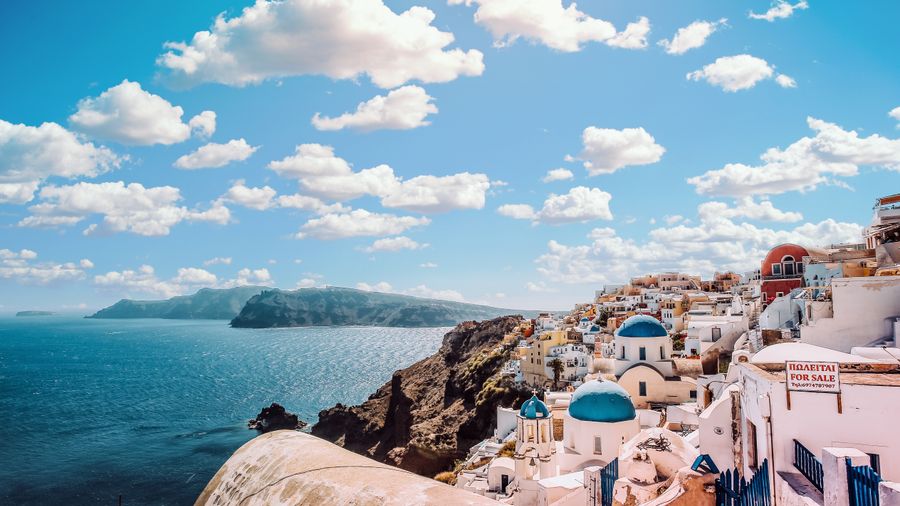
The Middle Rhine Valley between Koblenz and Bingen is a UNESCO World Heritage Site — a dramatic gorge where the Rhine cuts between steep vineyard-clad slopes crowned with medieval castles every few kilometres. The legendary Loreley Rock, from which a mythical siren was said to lure sailors to their doom, rises 132 metres above the water. River cruises are the best way to experience this stretch — boats operated by KD Rhine link the major towns at affordable prices. Cologne's Cathedral (Kölner Dom), the largest Gothic cathedral in northern Europe, is a short detour and absolutely not to be missed — climb its 533 steps for panoramic Rhine views.
4. Experience Oktoberfest in Munich
Oktoberfest takes place annually in Munich across 16–18 days ending in the first Sunday of October. The festival began in 1810 as a royal wedding celebration and has grown into the world's largest folk festival — filling 14 giant beer tents with over 6 million visitors who consume roughly 7.5 million litres of Munich beer. Beyond the beer, Oktoberfest is a genuine celebration of Bavarian culture — traditional dirndl and lederhosen dress is widespread, live bands play traditional music, and fairground rides, roast chicken, and pretzels the size of your arm are everywhere. Book accommodation in Munich 6–12 months ahead for Oktoberfest dates.
5. Drive the Romantic Road

The Romantic Road (Romantische Straße) is a 460-kilometre driving route through some of Bavaria's most scenic and historically rich terrain, from Würzburg in the north to Füssen in the south. The medieval walled town of Rothenburg ob der Tauber is the undisputed highlight — its remarkably intact city walls, half-timbered houses, and cobblestone streets feel like stepping inside a Brothers Grimm fairy tale. Other unmissable stops include the fortified town of Dinkelsbühl, the baroque town of Augsburg, and the charming market town of Nördlingen, which was literally built inside a 14-million-year-old meteor crater.
Rail tip: Germany's Deutsche Bahn rail network is one of Europe's finest. The Deutschland-Ticket (€49/month) provides unlimited travel on regional trains and is extraordinary value for a multi-city exploration. Book ICE high-speed train tickets 3+ months in advance for the best fares between Berlin, Munich, Hamburg, and Frankfurt.
Best Time to Visit Germany
Germany is a year-round destination, and each season has its own distinct appeal. Summer (June–August) is the warmest and most popular time, with outdoor beer gardens, festivals, and long days. Spring (April–May) brings blooming flowers, fewer crowds, and comfortable walking weather — ideal for the Rhine Valley and Black Forest. Autumn (September–October) is arguably the most spectacular season: the Bavarian Alps and Rhine Valley turn golden, Oktoberfest takes place in Munich, and wine harvest festivals animate the Rhineland and Mosel. Winter (November–February) is the time for Germany's legendary Christmas markets — Nuremberg, Cologne, Dresden, and Hamburg all host magical Weihnachtsmärkte with glühwein, gingerbread, and handcrafted gifts.
Where to Stay in Germany
Germany's accommodation ranges from budget hostels and design hotels to historic castles you can actually sleep in. Berlin offers excellent value compared to other European capitals — the areas of Mitte, Prenzlauer Berg, and Friedrichshain are convenient and characterful. Munich accommodation prices surge during Oktoberfest (book a year ahead), but at other times, the Maxvorstadt and Schwabing districts are excellent bases near the main museums. For a unique experience, several Rhine Valley and Bavarian castles have been converted into hotels and youth hostels — sleeping inside a medieval fortress is a memorable way to experience German history.
Getting to Germany
Frankfurt Airport (FRA) is Germany's largest and one of Europe's major hubs, with direct connections from North America, Asia, Africa, and the Middle East. Munich (MUC) and Berlin Brandenburg (BER) also receive direct intercontinental flights. Within Europe, budget airlines (Ryanair, easyJet, Eurowings) make flights between German cities and European capitals very affordable. Rail connections from France, the Netherlands, Belgium, and Austria are fast and frequent — the Thalys from Paris to Cologne takes just over 2 hours, and the Eurostar connects London to Cologne via Brussels.
Germany Travel Tips
- Cash is still important — despite modernisation, many restaurants, bakeries, and market stalls in Germany prefer cash. Always carry euros.
- Sundays are very quiet — most shops in Germany close on Sundays. Plan grocery shopping and errands for Saturday.
- Recycling deposits — most plastic bottles and cans carry a Pfand (deposit) of €0.25. Return them at supermarket machines to reclaim the deposit.
- Jaywalking is frowned upon — Germans strictly observe traffic lights at pedestrian crossings. Wait for the green man.
- Bread culture — Germany has over 3,000 varieties of bread. A local bakery breakfast of fresh rolls (Brötchen) with cold cuts is a ritual worth embracing every morning.
- Museum Pass — the Museums Pass Berlin grants access to 30+ museums for 3 days and is excellent value for Berlin visitors.
Frequently Asked Questions About Germany
Germany is famous for Oktoberfest, Neuschwanstein Castle, Berlin's history (Brandenburg Gate, Berlin Wall), fairy-tale castles along the Romantic Road, Rhine Valley vineyards, the Black Forest and Black Forest Cake, world-renowned Christmas markets, BMW and Mercedes-Benz, classical composers like Bach and Beethoven, and hearty cuisine including bratwurst, pretzels, and schnitzel.
May to September is ideal for outdoor activities and sightseeing. Autumn (September–October) is superb for Oktoberfest, harvest festivals, and foliage. Late November to December is magical for Christmas markets. Spring (April–May) offers fewer crowds and blooming landscapes.
Plan 10–14 days for a solid Germany trip: 3–4 days in Berlin, 3 days in Munich, 1–2 days for Neuschwanstein and the Bavarian Alps, and 2–3 days for the Rhine Valley, Black Forest, or Romantic Road. Germany's excellent rail network makes multi-city trips seamless.
Germany is mid-range for Europe. Budget travellers manage on €50–70 per day; mid-range is €100–180. Berlin is notably cheaper than Munich. Germany's rail network offers good value with advance booking, and the Deutschland-Ticket provides unlimited regional rail travel for €49/month.
Germany is in the Schengen Area. EU citizens enter freely. US, UK, Canadian, and Australian citizens can visit for up to 90 days in any 180-day period without a visa. From 2025, non-EU Schengen visitors need ETIAS pre-travel authorisation — apply online before departure.
Germany uses the Euro (EUR, €). While card payments are increasingly accepted, Germany remains more cash-oriented than many European countries. Carry euros for smaller restaurants, bakeries, markets, and regional shops, especially outside major cities.
German is the official language. English is widely spoken in Berlin, Munich, Hamburg, and major tourist areas. In smaller towns and rural Bavaria, German is more commonly used. Basic German phrases — guten Tag (hello), danke (thank you), bitte (please) — are warmly appreciated.
Must-see German destinations include Berlin (Brandenburg Gate, Holocaust Memorial, East Side Gallery), Munich (Marienplatz, Nymphenburg Palace, Deutsches Museum), Neuschwanstein Castle, the Rhine Valley and Cologne Cathedral, the Romantic Road through Rothenburg ob der Tauber, the Black Forest, Hamburg's Speicherstadt, and the fairytale town of Heidelberg.