
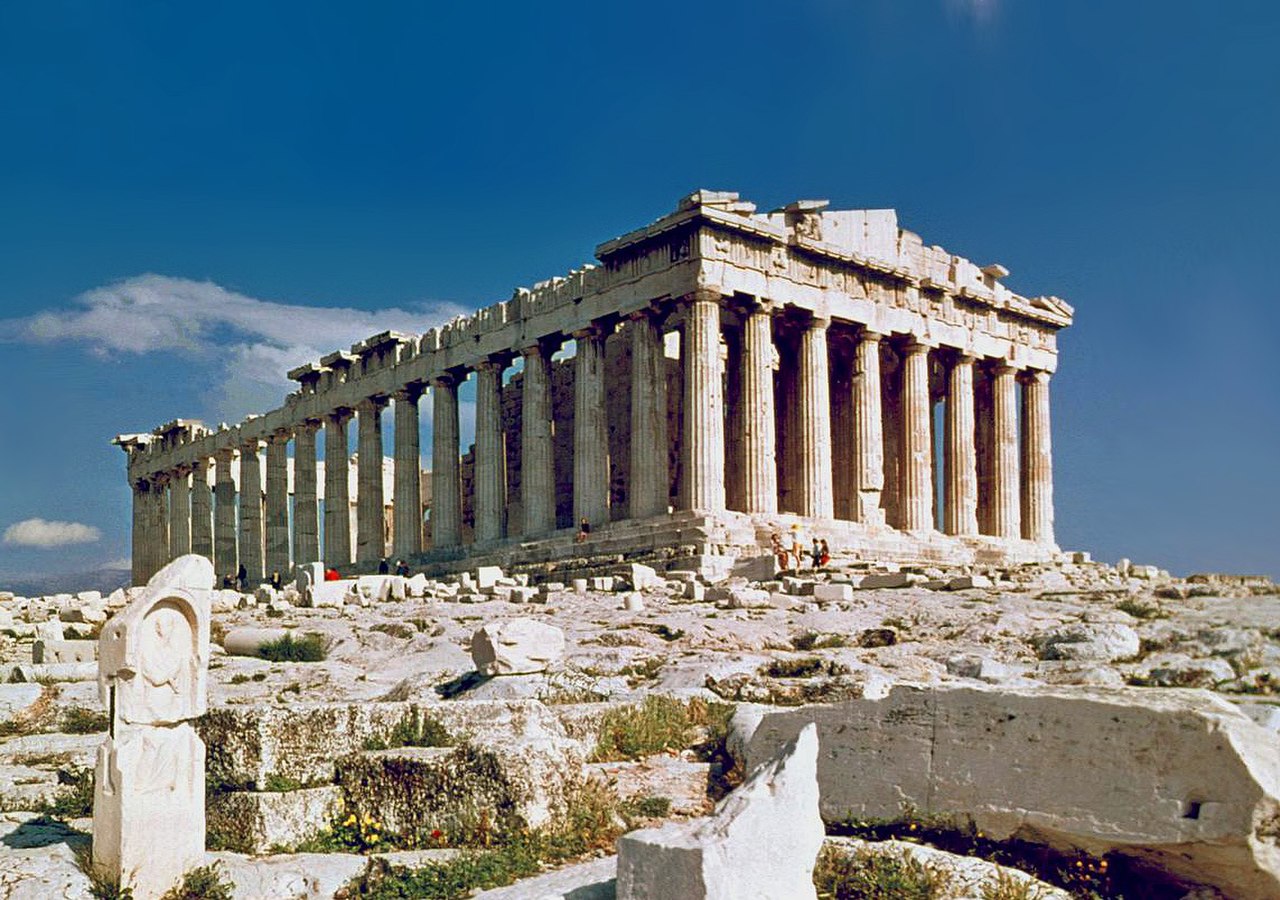
Athens is open year-round. The right month depends on whether you want mild ruin-walking weather, the cheapest hotels, or a city that pairs with island ferries in high season. Unlike Santorini, the capital does not shut in winter — which is why archaeology enthusiasts often prefer it then.
Quick Answer: The Best Overall Time to Visit Athens
April to June and September to October are the best times to visit Athens — milder weather, thinner Acropolis queues than July–August, and easier days for Plaka walking. If you must come in August, book timed tickets and go to the rock at opening.
Season-Wise Breakdown
Spring (March to May)
Mild temperatures (typically 15–25°C by May) and fewer tourists than summer. Hills around the basin green up. The Acropolis is still demanding at midday, but nothing like August. April and May are excellent for combining the city with the first island openings. Orthodox Easter, when it falls in spring, fills churches and family tables — book restaurants if you want a festive meal.
Watch out for: Occasional rain in March, and ferry timetables that are not yet at summer frequency if you add an island.
Summer (June to August)
Hottest and busiest. Athens regularly exceeds 35°C, and heatwaves have pushed higher. Marble reflects the sun; midday on the Acropolis in August is the hard way to see the Parthenon. Go at opening (and book timed tickets) or after 17:00. The Acropolis Museum is the air-conditioned midday plan. Pair the city with islands if this is your only slot — Athens is a gateway in August, not a beach holiday.
Watch out for: Peak hotel rates, cruise-day crowds on the rock, and a city that empties of locals in mid-August as Athenians leave for the islands.
Autumn (September to November)
September is excellent: sea still warm if you add an island, city still fully open, queues easing, and evenings that allow a taverna terrace without sweat. October stays pleasant for walking. November is cooler, quieter, and cheaper — museum weather, with the first island closures if you hoped to hop on.
Winter (December to February)
Quiet museums, lower hotels (outside Christmas and New Year), and a capital that does not depend on island opening hours. The Acropolis in winter light, with room to stand in front of the Parthenon, is the archaeology season. Pack a coat; this is Mediterranean winter, not snow except on rare days. Rain is more likely than in summer, but the city stays fully operational.
Month-by-Month Snapshot
| Month | Weather | Good For | Crowd Level |
|---|---|---|---|
| Jan–Feb | Cool, 8–15°C | Museums, budget stay, empty Acropolis | Low |
| Mar–Apr | Mild, 12–20°C | City walking, Easter if dates align | Moderate |
| May–Jun | Warm, 20–30°C | Ruins plus first island hops | Moderate–High |
| Jul–Aug | Hot, 28–35°C+ | Gateway to islands; early/late sightseeing | Peak |
| Sep–Oct | Warm, 20–28°C | Best walking weather after summer | Moderate |
| Nov–Dec | Cool, 10–18°C | Off-season rates; festive December | Low–Moderate |
Athens itineraries → · Best time to visit Greece →
Frequently Asked Questions
January and February typically offer the lowest hotel prices, aside from the Christmas and New Year window.
Yes. July and August are peak season, with the longest queues at the Acropolis and heat that regularly exceeds 35°C. Sightsee early morning or evening.
May, June, and September offer some of the most comfortable weather for ruins and neighbourhood walks.
Yes — museums and the Acropolis stay open, queues shrink, and hotels drop. It is the best season if you care more about archaeology than islands.