

Thailand is the destination that converts first-timers into lifelong Asia addicts. It is the country that taught the world what great street food actually means — pad thai from a wok-scarred cart, mango sticky rice from a grandma's market stall, a 40-baht bowl of tom yum that no restaurant in your city will ever replicate. Beyond the food, Thailand delivers extraordinary Buddhist temples, turquoise islands that look like screensavers, and a tourist infrastructure so well-developed that first-time solo travellers navigate it effortlessly.
Thailand welcomed approximately 38 million visitors in 2024 — more than any other Southeast Asian nation. Yet it retains an authenticity in its temples, markets, and local neighbourhoods that resists the erosion of mass tourism. This Thailand travel guide covers Bangkok, Chiang Mai, Phuket, and Krabi — with a classic 10-day circuit, a real budget from India, and the practical layer of visas, baht, and when to go.
Must-See Cities in Thailand
Start with the capital, the north, and the Andaman islands that define a first visit. Hover a pin on the map, or choose a city below — each opens a focused guide.
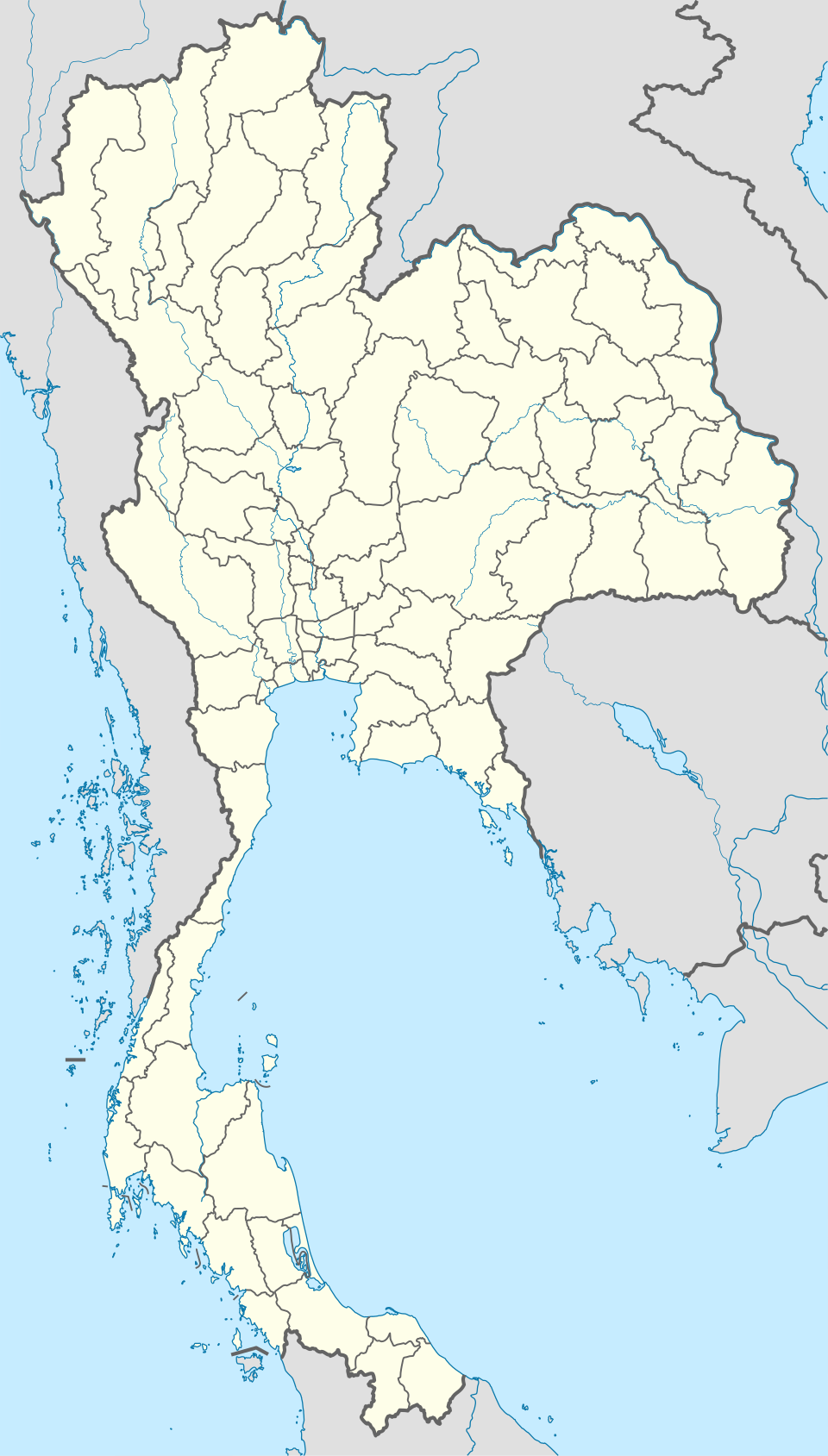
Hover a pin for a preview, or pick a city from the cards below.

Bangkok
Wat Arun, the Grand Palace, river ferries, and the street food that converts first-timers.
Explore →
Chiang Mai
Old City temples, Doi Suthep, and ethical elephant sanctuaries in the north.
Explore →
Phuket
Andaman beaches, Wat Chalong, and the easiest island base for Phi Phi day trips.
Explore →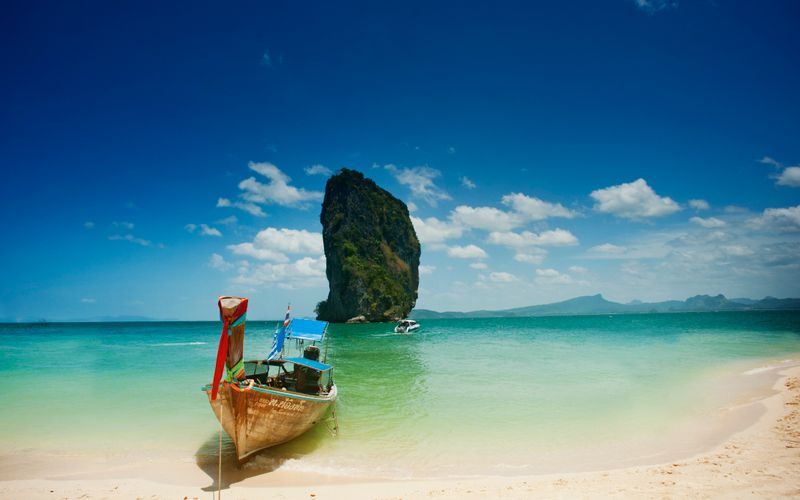
Krabi
Limestone cliffs, Railay, Ao Nang, and long-tail boats on emerald water.
Explore →Must Visit Places in Thailand
Fifteen temples, islands and cities — Bangkok, Chiang Mai, Phuket, Phi Phi, Krabi and the quieter stops — and how each fits a first trip from India.
Things to Do in Thailand
Twenty bookable experiences — ethical elephants, Phi Phi boats, cooking classes, and temple mornings — with costs in rupees for a first trip from India.

Thailand Travel Itineraries
Ready-made trips for families, friends, honeymoons, solo travellers and culture — the same list as on our Thailand destination page.
Family Thailand — Bangkok & Phuket Beaches
A gentle, easy-paced Thailand holiday built for families — Bangkok’s big sights at a relaxed tempo, then sandy days and calm-sea swims on Phuket.
+2 more places: Coral Island, Phi Phi Islands
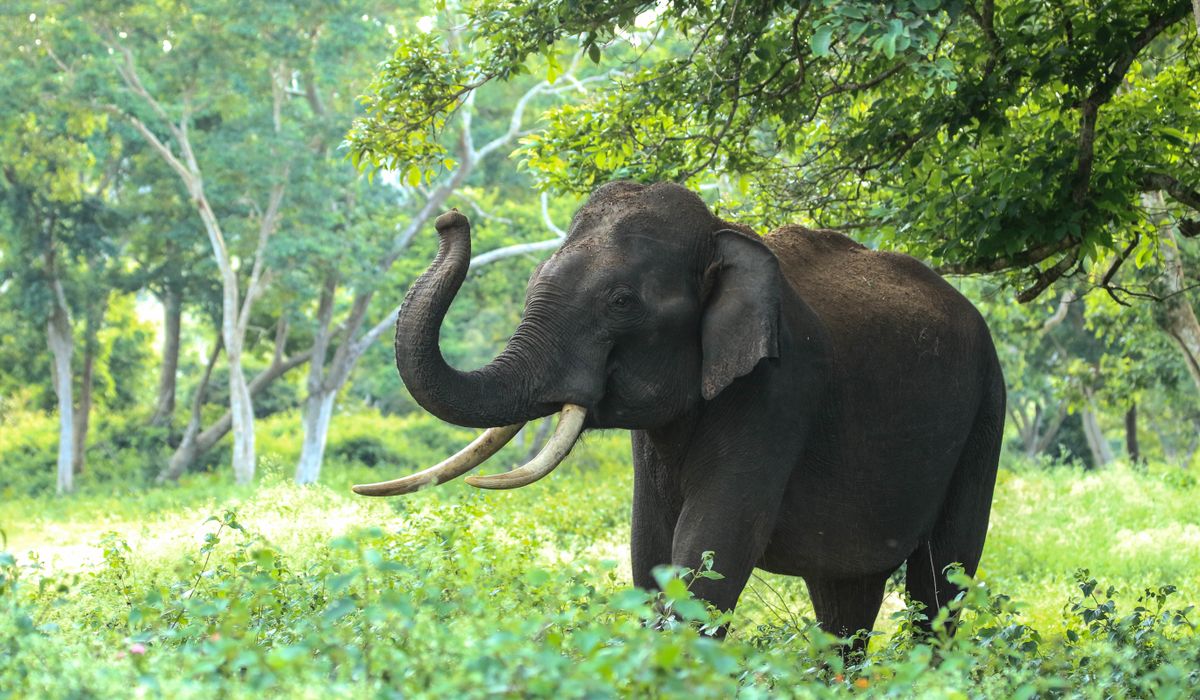
Kids Friendly Thailand — Safari World, Elephants & Water Parks
A Thailand trip designed around the kids — Safari World, an ethical elephant sanctuary, a giant aquarium and splashy water parks on Phuket.

Friends Thailand — Phuket & Krabi Island Hopping & Nightlife
The ultimate squad trip — Phuket and Krabi island hopping by speedboat, beach clubs on Patong and a taste of the Full Moon party vibe.

Couple Honeymoon — Koh Samui & Phi Phi Private Resorts
A romantic Thailand honeymoon of private-pool villas on Koh Samui and the Andaman, a Phi Phi yacht day and candle-lit sunset cruises.

Solo Thailand — Bangkok & Chiang Mai by Rail
An independent solo adventure — Bangkok’s street life, the scenic overnight sleeper train north, and Chiang Mai’s temples, cafés and backpacker buzz.

Cultural Thailand — Bangkok & Chiang Mai Temples, Street Food & Markets
A culture-deep journey through Thailand — Bangkok’s gilded temples, Chiang Mai’s mountain wats, ethical elephants and lantern-lit night bazaars.
Historical & Heritage Thailand — Ayutthaya & Sukhothai UNESCO Ruins
A deep dive into Thailand’s past — the Grand Palace, the UNESCO ruins of Ayutthaya and Sukhothai, and the ancient capitals of the old Siamese kingdoms.
Bus Tours Thailand — Grand Multi-City Guided Coach
A value-packed guided coach tour of Thailand — Bangkok, Ayutthaya, Pattaya and Chiang Mai with a tour leader, group dinners and all transport included.
Best Time to Visit Thailand
Month-by-month weather, Songkran and monsoon timing, crowd levels, and pricing — planned for travellers from India.


Why Visit Thailand?
Thailand punches above its weight in almost every category that matters to travellers. Its value for money is unmatched — a delicious dinner for two costs ₹500 at a local restaurant, a 1-hour Thai massage is ₹600, and a beautiful guesthouse room with a pool is ₹2,500/night. Its food is so exceptional it has generated its own global cuisine export. Its islands — Phi Phi, Railay, Koh Lanta — are among the most beautiful on the planet. And its Buddhist temples, particularly in Bangkok and Chiang Mai, are architectural wonders that reward quiet contemplation.
In 2026, Thailand is also riding a wave of new infrastructure — upgraded airports and a growing network of ethical elephant sanctuaries that let visitors interact with elephants responsibly. It remains Southeast Asia's most reliable, most rewarding, and most visited destination.
What is Thailand Best Known For?
Thailand is best known for ornate Buddhist temples — Wat Phra Kaew and Wat Arun in Bangkok — turquoise Andaman islands such as Phi Phi and Railay, and street food that has become a global cuisine in its own right. Night markets, Thai massage, and a Buddhist culture that colours daily life complete the postcard. The country welcomed around 38 million visitors in 2024, more than any other Southeast Asian nation, without flattening every neighbourhood into a resort strip.
Beyond those headlines, Thailand rewards travellers who leave the Patong queue: Chiang Mai’s Lanna wats, ethical elephant sanctuaries in the north, Ayutthaya’s broken chedis, and Koh Lanta when Phi Phi feels finished. The classic first trip is still Bangkok, Chiang Mai, and one Andaman base — then a return for the Gulf islands or a slower north.
Thai Food and Street Stalls
The best meals almost always come from a street stall, a market vendor, or a humble shop-house — not a hotel restaurant. Pad thai at Thip Samai in Bangkok is the queue worth joining. Mango sticky rice is at its best in mango season (April–June). Som tum is the spiciest everyday salad; ask for mai pet if you want it gentler. Tom yum goong, massaman curry (the closest to an Indian palate), and pad kra pao — basil stir-fry on rice with a fried egg — are the dishes Thais actually eat. In Chiang Mai, khao soi is the north’s coconut-curry noodles, different from anything in the capital.
Avoid any restaurant with a man outside offering a menu and saying the food is the best in Bangkok. Follow the queue. If Thai families are eating there, the food is excellent.
Where to Stay in Thailand
Bangkok: Silom, Sukhumvit, or a riverside hotel if you want Chao Phraya ferries; Khao San is the backpacker strip. Lub d Siam Square and Chatrium Riverside cover budget-to-mid. Mandarin Oriental is the historic luxury address. Chiang Mai: Old City / Tha Phae Gate for temples on foot; Nimman for cafes. Phuket: Kata or Karon over Patong if you want sleep; Amanpuri and Trisara if the budget is unlimited. Krabi: Ao Nang for logistics, Railay for the night on the cliffs.
On the islands, a beach bungalow on Koh Lanta or Phi Phi Don can still cost ฿500–800/night. Book December–February 6–8 weeks ahead. One base per region beats a new hotel every night.
Getting to Thailand
IndiGo, SpiceJet, Air India, Thai Airways, and Bangkok Airways fly direct from Delhi, Mumbai, Bengaluru, Chennai, Kolkata, and Hyderabad to Bangkok (Suvarnabhumi or Don Mueang). Flight time is about 4–5 hours. Phuket has direct flights from Delhi and Mumbai (about 4.5 hours). Book 6–8 weeks ahead for December–January; mid-week flights are typically cheaper.
Suvarnabhumi (BKK) handles full-service and long-haul; Don Mueang (DMK) handles AirAsia and Nok Air. Both connect to the city by rail and bus. Internal hops — Bangkok to Chiang Mai, Chiang Mai to Phuket or Krabi — take about an hour and save a 12-hour overnight bus. Flying is the right call on a 10-day trip.
Do I Need a Visa for Thailand?
Indian passport holders can visit Thailand visa-free for up to 30 days (recently extended to 60 days in some cases — verify current policy before travel). Present a valid passport on arrival; no advance application is required. Extensions are possible at Thai immigration offices. Rules change — check the Thai embassy guidance for your passport before you book, not a screenshot from last year.
Thailand Travel Tips
- Get a Thai SIM at the airport — AIS or DTAC 30-day unlimited data SIMs cost ฿300–500. Do not rely on hotel Wi-Fi.
- Use Grab, not tuk-tuks for actual transit. Tuk-tuks are a one-time experience; Grab is a fixed price without a gem-shop detour.
- Respect the Royal Family — lèse-majesté laws are strict, including social media. Do not make negative comments about the King.
- Never touch a monk — monks cannot have physical contact with women. On buses, women should not sit next to monks or hand items directly to them.
- SuperRich for baht — green-sign SuperRich branches in Bangkok beat hotel and airport rates. Change larger amounts there.
- Ethical elephants only — no riding, no hooks, no shows. Book Elephant Nature Park or similar 2–4 weeks ahead in peak season.
- Scooter insurance — rent only if you already ride. Helmets are legally required. Confirm your travel insurance covers motorcycles.
- Jet-ski caution — damage claims are a known beach scam. Photograph the craft before and after, or skip it.
- Plan your Thailand itinerary: use LokaTours to build a personalised temples-and-islands plan in minutes.
Thailand Travel FAQs
The best time is November to February — cool, dry season with 25–32°C temperatures, low humidity, and minimal rain. This is peak tourist season. March to May is extremely hot (35–40°C). June to October is the rainy season — cheaper prices but afternoon showers. The Gulf Coast islands (Koh Samui) have a different pattern with their peak January–August.
10 days covers the classic circuit: 3 days Bangkok, 2 days Chiang Mai, 5 days on the islands. Two weeks is ideal — add Ayutthaya or Pai. Many travellers return for different island groups: Koh Samui, Koh Phangan, or diving at Koh Tao.
No — Indian passport holders can enter Thailand visa-free for up to 30 days (recently extended to 60 days in some cases — verify current policy before travel). No advance application needed. Simply present your passport at immigration on arrival. Extensions are possible at Thai immigration offices.
A 10-day Thailand trip from India costs approximately ₹70,000–₹1,10,000 per person for mid-range travel: return flights (₹25,000–35,000), accommodation (₹2,500–4,500/night average), food (₹800–1,500/day), internal flights (₹6,000–8,000), and tours (₹15,000–20,000). Budget backpackers can do it for under ₹55,000.
Yes — Thailand is generally very safe. Violent crime targeting tourists is extremely rare. Common issues are petty theft in crowded areas, gem shop scams (ignore tuk-tuk drivers offering “lucky day” temple tours), and jet ski damage inflation at beaches. Use Grab instead of unmetered taxis. Political unrest occasionally occurs but rarely affects tourist areas.
Thailand uses the Thai Baht (฿/THB). As of 2026, 1 THB ≈ ₹2.40. Cards are accepted in major hotels, malls, and many restaurants. Carry cash for markets, tuk-tuks, temples, and street food. Use SuperRich exchange counters in Bangkok for the best rates.
Thailand is famous for ornate Buddhist temples (Wat Phra Kaew, Wat Arun), world-class beaches (Phi Phi, Railay, Koh Lanta), exceptional street food, night markets, elephant sanctuaries, Thai massage, and a Buddhist culture that colours daily life.
Must-try: Pad Thai from Thip Samai in Bangkok, mango sticky rice, som tum, tom yum goong, massaman curry, pad kra pao (basil stir-fry on rice with fried egg), and Chiang Mai’s khao soi.


