

Italy is the country that invented la dolce vita — the sweet life — and makes good on its promise at every turn. It has more UNESCO World Heritage Sites than any country on Earth (58 at last count), and a capacity for beauty — in its piazzas, its architecture, its food, its people — that is simply unmatched. Walking through Rome’s ancient Forum, you stand on ground where Julius Caesar walked. Standing in the Uffizi in Florence, you look at paintings that changed how humanity understood art. These are not small experiences.
This Italy travel guide covers the essential circuit for Indian travellers — Rome, Florence, Venice, and the Amalfi Coast — with a classic 10-day route, a real budget in rupees, Schengen visa steps, and the practical layer of skip-the-line tickets and trattorie that are not on the piazza.
Must-See Cities in Italy
Start with the capital, the Renaissance, the lagoon, and the cliff coast that define a first visit. Hover a pin on the map, or choose a city below — each opens a focused guide.
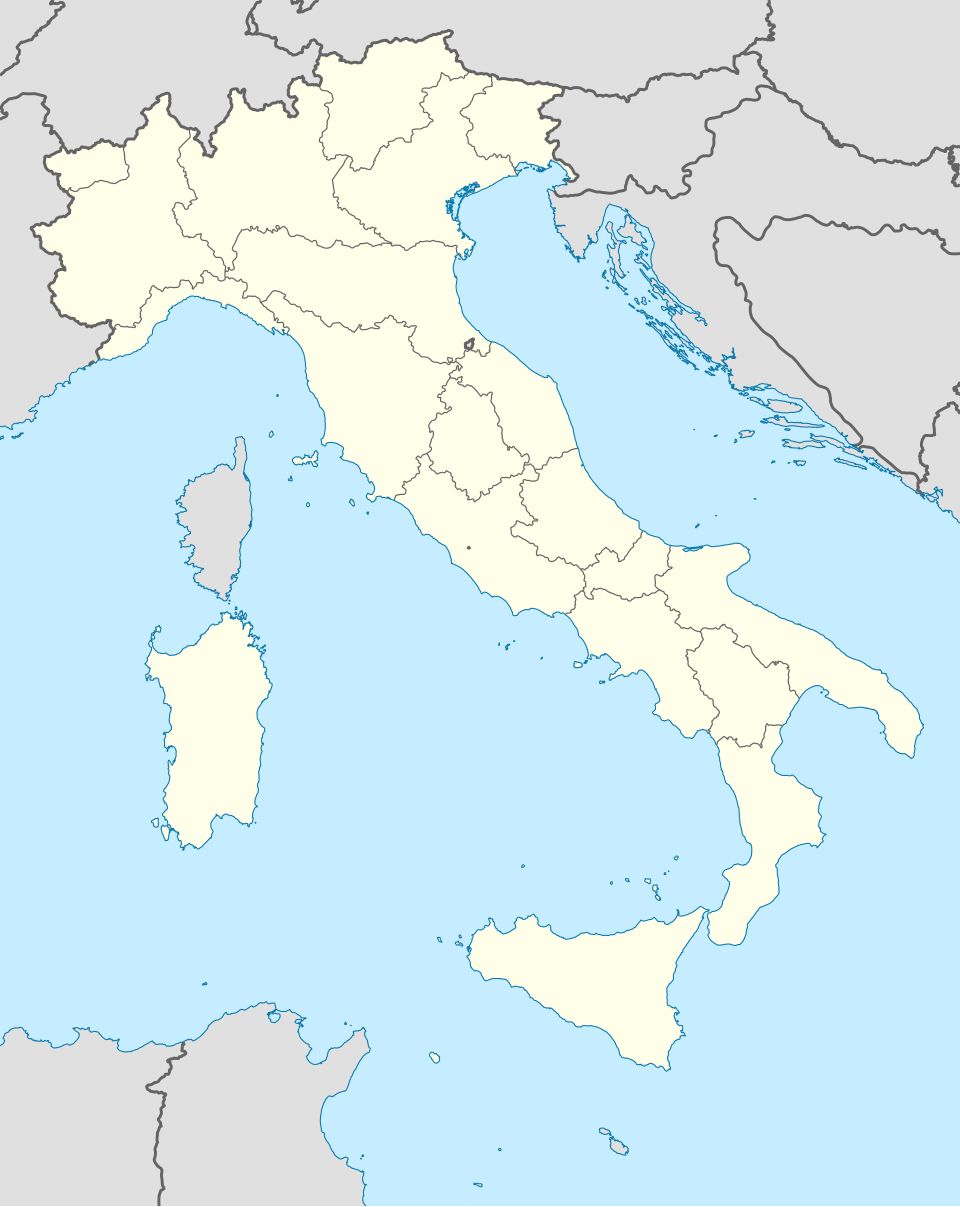
Hover a pin for a preview, or pick a city from the cards below.
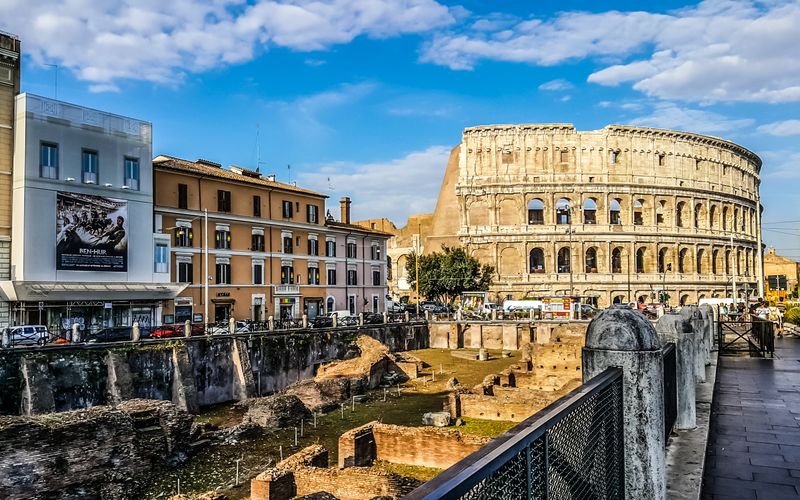
Rome
The Colosseum, Vatican, Trevi at dawn, and trattorias in Trastevere.
Explore →
Florence
The Duomo, the Uffizi, David, and a Chianti afternoon from the Renaissance capital.
Explore →
Venice
The Grand Canal, St Mark’s, cicchetti, and a lagoon with no cars.
Explore →
Amalfi Coast
Positano cliffs, lemon groves, Capri boats, and the Path of the Gods.
Explore →Must Visit Places in Italy
Beyond the hubs: Cinque Terre’s cliff villages, Pompeii under Vesuvius, and Bologna’s porticoes on the rail line north.
Things to Do in Italy
Colosseum, Vatican, Uffizi, vaporetti, and pizza in Naples — the experiences that belong on every Italy itinerary.
Italy Travel Itineraries
Ready-made 7-, 10-, and 14-day routes covering Rome, Florence, Venice, and the Amalfi Coast.
7 days: Rome & Florence
A first-timer’s circuit on Frecciarossa: ancient Rome, then the Duomo and Uffizi.
View itineraries → 10 days: classic circuit
Rome 3, Florence 2, Venice 2, Amalfi or Cinque Terre 3 — the route from India.
View itineraries → 14 days: grand tour
The classic route plus Pompeii, Bologna, or extra Tuscany without treating trains as the holiday.
View itineraries →Best Time to Visit Italy
Season-by-season weather, crowds, and why Ferragosto empties neighbourhood restaurants.


Why Visit Italy?
Italy welcomed around 57 million visitors a year and still feels like a set of countries sharing a peninsula. You come for the Colosseum and leave talking about a €12 amatriciana in Trastevere, a dawn Trevi with nobody in the shot, and a vaporetto that costs less than a gondola and shows you more. The density of art is unmatched — Vatican, Uffizi, Accademia — but so is the everyday ritual: espresso standing at the bar, gelato from steel tubs with lids, a Sunday that still belongs to a long lunch.
For travellers from India, the classic 10-day circuit is still the right first trip: Rome, Florence, Venice, then cliffs or Cinque Terre. High-speed trains make it coherent. Schengen paperwork is the hurdle; skip-the-line tickets are the other. Get those two right and Italy is generous.
What is Italy Best Known For?
Italy is best known for ancient Rome — the Colosseum, the Forum, the Pantheon — Vatican frescoes, Venice’s canals, Florence’s Renaissance, and food that still defines how the world eats: pizza from Naples, pasta that changes every 200 kilometres, gelato, espresso, Chianti and Barolo. Cinque Terre and the Amalfi Coast are the postcard cliffs. Pompeii is the Roman city Vesuvius stopped in 79 AD.
Beyond those headlines, Italy rewards travellers who leave the piazza queue: Bologna’s tagliatelle al ragù, Oltrarno workshops, Cannaregio bacari, and an agriturismo night in Chianti above Florence. The classic first trip is still Rome, Florence, Venice, and one coast — then a return for Sicily or the Alps.
Italian Food, Espresso and Gelato
Any restaurant on a famous piazza with a photo menu and a man outside inviting you in is a tourist trap. Walk two streets away. In Rome, cacio e pepe and bucatini all’amatriciana. In Bologna, tagliatelle al ragù — never “spaghetti bolognese”. In Venice, cicchetti and bigoli in salsa. In Naples, pizza from a wood oven (Pizzeria da Michele has served Margherita and Marinara since 1870). Artisan gelato sits in steel containers with lids, not lurid mountains. Espresso standing at the bar is €1–1.50; seated it triples. Never order a cappuccino after 11am — Italians treat it as breakfast. Un caffè means espresso.
For Indian vegetarians: pizza margherita, pasta al pomodoro, risotto ai funghi, and most antipasti work. Say senza carne and senza pesce. Skip carbonara and amatriciana (guanciale). Vegan options are limited outside large cities.
Where to Stay in Italy
Rome: Campo de’ Fiori and Trastevere for atmosphere; near Termini only if you have an early train. Florence: Santa Maria Novella for the station; Oltrarno for evenings. Venice: Cannaregio or Dorsoduro over San Marco if you want sleep; Giudecca for canal views. Amalfi Coast: Positano for the postcard, Amalfi town for boats, Ravello for height. Budget €40–80, mid-range €100–200, luxury €300+ — Belmond Villa San Michele and Hotel Cipriani if the budget is unlimited.
Getting to Italy
Air India flies direct Delhi–Rome Fiumicino (about 9–10 hours). Other routes connect via London, Frankfurt, Dubai, or Abu Dhabi. Milan Malpensa suits a northern start. Venice Marco Polo and Florence Peretola are smaller gateways. Within Italy, Frecciarossa and Italo are the comfortable hops — book 2–4 weeks ahead. Regional tickets need a stamp in the yellow platform machine or you risk a €50 fine.
Do I Need a Visa for Italy?
Indian passport holders need a Schengen Visa (Type C). Apply at VFS Global Italy or the Italian Embassy 4–6 weeks ahead. Required: confirmed hotels, return flights, travel insurance (€30,000 minimum coverage), three months of bank statements, and a leave letter from your employer. The visa covers 90 days in 180 across the Schengen Area. Rules change — check current VFS guidance before you book, not a screenshot from last year.
Italy Travel Tips
- Book Colosseum, Vatican, Uffizi, Borghese, and Accademia weeks ahead — timed entry is mandatory. Same-day queuing is either impossible or very long.
- Validate regional train tickets in the yellow machines on the platform before you board.
- Dress for churches — shoulders and knees covered, including the Vatican. No swimwear in Amalfi town streets (fines apply in some comuni).
- No cappuccino after 11am. Order espresso or macchiato after lunch.
- Rome’s nasoni — more than 2,500 drinking fountains. Fill a bottle and skip €2–3 tourist water.
- Pickpockets — Colosseum area, Termini, buses 40 and 64, Uffizi queues. Front pockets; money belt for passports.
- Plan your Italy itinerary: use LokaTours to build a personalised Rome-to-Amalfi plan in minutes.
Italy Travel FAQs
April to June and September to October are ideal — mild (18–25°C), manageable crowds, and lower prices than peak summer. July and August are very hot with maximum crowds. Winter is quiet and cheap, excellent for Rome.
Yes — Indians need a Schengen Visa (Type C). Apply at VFS Global Italy or the Italian Embassy 4–6 weeks before travel. Required: confirmed hotels, return flights, travel insurance (€30,000 minimum), 3 months of bank statements, and an employer leave letter.
Minimum 10 days: Rome (3), Florence (2), Venice (2), Amalfi or Cinque Terre (3). Two weeks adds Naples, Pompeii, Tuscany, or Bologna. Three weeks covers major regions. Most first-timers wish they had stayed longer.
Budget travellers manage on €60–80/day. Mid-range is €120–180/day. Venice and the Amalfi Coast cost more. Southern Italy is cheaper. A 10-day mid-range trip from India is around ₹2,45,000 per person including flights and visa.
Neapolitan pizza, Roman cacio e pepe, Bolognese tagliatelle al ragù, Venetian cicchetti, Tuscan ribollita, artisan gelato, and espresso at the bar. Avoid tourist restaurants on famous piazzas.
High-speed Trenitalia and Italo trains. Book 2–4 weeks ahead. Walk or use public transport in cities. Venice is vaporetto and walking only. Validate regional tickets before boarding.
Colosseum and Forum, Vatican Museums and Sistine Chapel, Pantheon (free), Trevi at dawn, Piazza Navona, Borghese Gallery, and Trastevere for dinner. Book Colosseum and Vatican weeks in advance.
Yes — stay two nights. Dawn at San Marco, a slow Grand Canal vaporetto, cicchetti after dark, and Murano–Burano if you have a third day.


