

Greece is one of those rare destinations where every expectation is met and then exceeded. The country that gave the world democracy, philosophy, mathematics, and the Olympic Games still casts its civilisational spell across 6,000 islands, ancient ruins that have stood for 2,500 years, and a way of life — filoxenia (love of strangers) — that makes every visitor feel genuinely welcomed. With around 33 million visitors per year, Greece is the ninth most visited country in the world, and the numbers keep rising.
From the iconic blue-domed churches of Santorini to the mythological mysteries of Delphi, from the beach parties of Mykonos to the soaring rock monasteries of Meteora, this Greece travel guide covers everything you need to plan an unforgettable Greek adventure in 2026 — whether it is your first visit or your tenth.
Must-See Cities in Greece
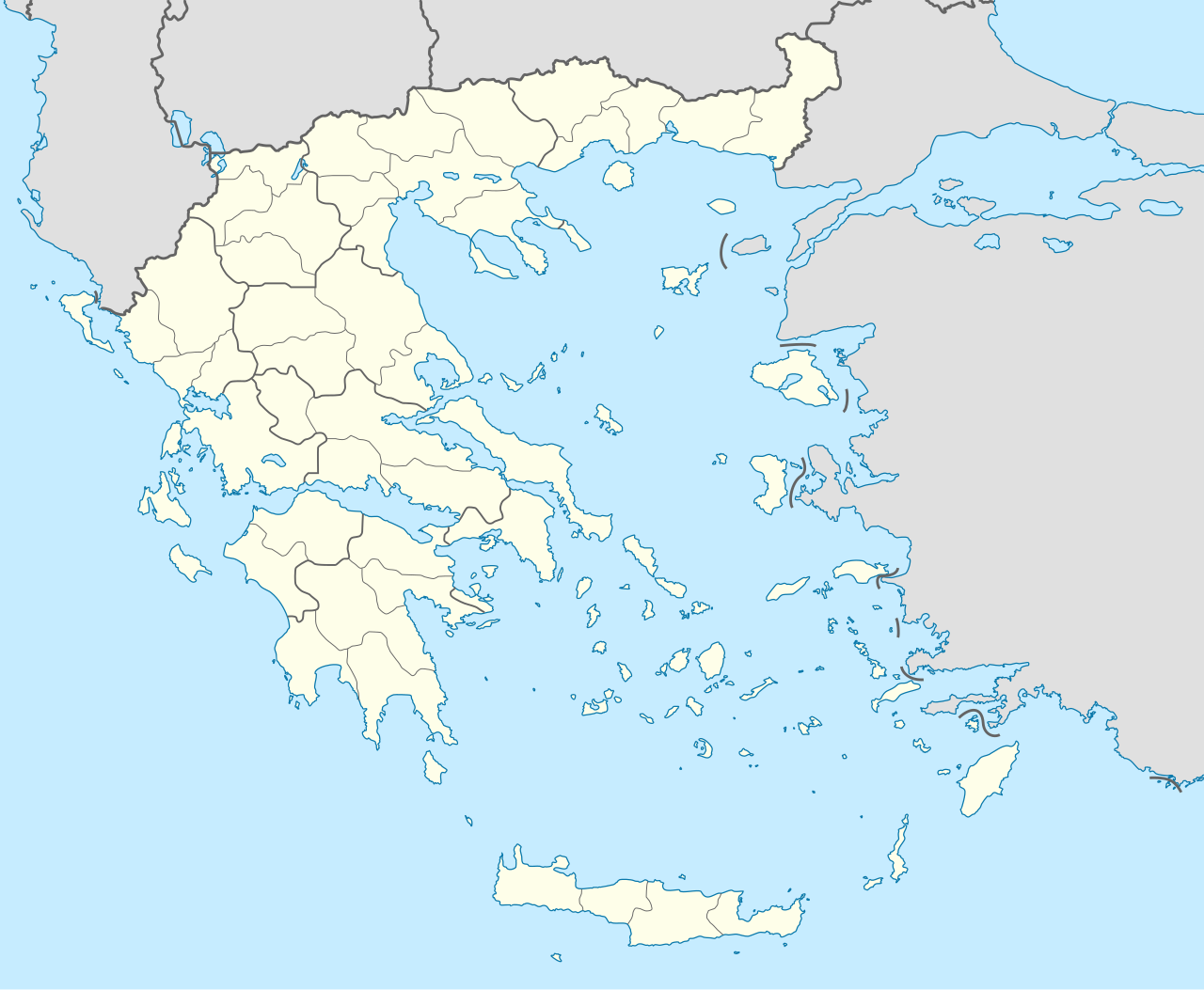
Start with the islands and the capital that define a first visit. Hover a pin on the map, or choose a city below — each opens a focused guide.

Athens
The Acropolis, Plaka lanes, and the city that invented democracy — the natural first stop.
Explore →
Santorini
Caldera cliffs, Oia sunsets, cave hotels, and volcanic Assyrtiko vines.
Explore →
Mykonos
Whitewashed windmills, Little Venice, beaches, and Cycladic nightlife.
Explore →
Crete
Knossos, Samaria Gorge, Balos Beach, and the island with Greece’s strongest food culture.
Explore →Must Visit Places in Greece
Beyond the hubs: monasteries, oracles, and beaches worth building a trip around.
Things to Do in Greece
Ruins, ferries, food, and caldera light — the experiences that belong on every Greece itinerary.
Greece Travel Itineraries
Ready-made 7-, 10-, and 14-day routes covering Athens, the Cyclades, and Crete.
7 days: Athens & Santorini
A first-timer’s circuit: the Acropolis, then caldera sunsets by ferry or short flight.
View itineraries → 10 days: Cyclades hop
Athens, Santorini, and Mykonos with time to actually sit on a terrace.
View itineraries → 14 days: Grand tour
Athens, two Cyclades islands, and Crete or Meteora without treating ferries as the holiday.
View itineraries →Best Time to Visit Greece
Season-by-season weather, crowds, and what each month is actually best for.


Why Visit Greece?
Greece offers a rare combination of ancient history, breathtaking natural scenery, and deeply pleasurable Mediterranean living. The Acropolis in Athens is among the most recognisable monuments in human history — standing unchanged above the city for 25 centuries. The Greek islands offer over 16,000 kilometres of coastline, ranging from the dramatic volcanic caldera of Santorini to the green pine forests of Skiathos and the pink sand beaches of Crete.
Greek cuisine — olive oil, feta, grilled octopus, spanakopita, fresh seafood, and slow-cooked lamb — is among the most celebrated in the Mediterranean. And the warmth of Greek hospitality is legendary worldwide.
What is Greece Best Known For?
Greece is best known for the Acropolis in Athens, Santorini’s blue-domed caldera, and a Mediterranean table of olive oil, feta, and grilled octopus — plus Mykonos, Meteora, and the idea of filoxenia. The Acropolis has stood above the city for 25 centuries. The islands offer more than 16,000 kilometres of coastline, from volcanic cliffs to Cretan pink sand.
Beyond those headlines, Greece rewards travellers who leave the Santorini queue: Naxos produce, Milos sea caves, Delphi on the mountain, Rhodes’s medieval walls, Olympia in the Peloponnese, and winter Athens when the islands close. The country is also the birthplace of democracy, Western philosophy, and the Olympic Games — you feel that inheritance in the stones as much as in the museums.
Greek Food and Mezze Culture
Greek food is built on the Mediterranean triad of olive oil, wheat, and wine, enriched with fresh herbs, yoghurt, honey, and the finest seafood. In Athens, Monastiraki is packed with souvlaki stands, tavernas, and traditional ouzeries. Crete has its own culinary identity — considered by many the finest in Greece — built around wild greens (horta), aged Graviera cheese, and olive oil from the Kolymvari region.
Do not leave Greece without eating grilled octopus on a harbour-side terrace, saganaki (fried cheese, often flambéed with ouzo), and a proper Greek salad (horiatiki) made with tomatoes that actually taste of tomatoes. Order coffee the Greek way: frappé iced, sketos without sugar, metrios medium, or glykos sweet.
Where to Stay in Greece
Greece’s accommodation spans family-run domátia to cave hotels carved into Santorini’s volcanic cliffs. Athens has a thriving boutique scene in Monastiraki, Plaka, and Koukaki — all walking distance from the Acropolis. Santorini’s cave hotels in Oia and Imerovigli come with private plunge pools and caldera views at a significant premium; book 6–12 months ahead for summer.
Mykonos mixes international luxury with smaller hotels in Mykonos Town. For value, Crete, Naxos, Rhodes, and the Ionian Islands (Corfu, Kefalonia, Zante) offer beautiful stays at much more accessible prices than the two celebrity Cyclades. On larger islands a village or harbour base beats a new hotel every night.
Getting to Greece
Athens International Airport (ATH) is the main gateway, with direct connections from across Europe, North America, the Middle East, and Asia. Thessaloniki (SKG) is a good entry point for northern Greece and Meteora. In summer, many European cities have direct charter flights to island airports including Santorini (JTR), Mykonos (JMK), Heraklion Crete (HER), and Rhodes (RHO).
From Athens, high-speed ferries from Piraeus reach Santorini in 5–8 hours, Mykonos in 3–5 hours, and Crete in 7–9 hours. Blue Star Ferries and SeaJets operate the main routes. Greek ferries between popular islands book up fast in July and August — use a ferry booking site 4–8 weeks ahead for peak summer, and consider a night ferry (for example Piraeus to Crete) to save a hotel night and maximise daytime on the islands.
Do I Need a Visa for Greece?
Whether you need a visa for Greece depends on your passport. Greece is in the Schengen Area. EU citizens enter freely. Citizens of the USA, UK, Canada, Australia, and many other countries can visit visa-free for up to 90 days in any 180-day period. From 2025, many visa-exempt visitors also need an ETIAS travel authorisation, applied for online before travel. Always check the latest rules for your nationality before you book — embassy guidance changes faster than guidebooks.
Greece Travel Tips
- Respect religious sites: dress modestly (covered shoulders and knees) when visiting churches and monasteries. Many provide wraps at the entrance.
- Don’t flush toilet paper in many parts of Greece — the plumbing is old and narrow. Use the bin provided.
- Book ferries and accommodation early for Santorini, Mykonos, and Crete in peak season (July–August).
- Siesta hours (2–5pm): many shops and businesses close for the afternoon in smaller towns. Plan museum mornings and late dinners.
- Greek coffee culture: frappé is a beloved institution. Ask for it sketos (without sugar), metrios (medium), or glykos (sweet).
- Rent a car or ATV on the larger islands (Crete, Rhodes, Naxos) to reach remote beaches and villages that ferry-dependent travellers never see. On Santorini, save the hire car for one beach-and-wine day — parking in Oia in August is painful.
- Water: tap water is drinkable in Athens and most of the mainland; bottled water is advisable on many islands.
- Plan your Greece itinerary: use LokaTours to build a personalised island-hopping plan in minutes.
Greece Travel FAQs
Greece is best known for the Acropolis and Parthenon in Athens, Santorini’s caldera and blue domes, Mykonos beaches, Meteora’s cliff-top monasteries, Mediterranean cuisine, and being the birthplace of democracy, philosophy, and the Olympic Games.
The best time to visit Greece is late April to early June or September to October — warm weather, calm seas, fewer crowds, and lower prices than peak summer. July and August are hottest and busiest, especially on Santorini and Mykonos.
Allow 10–14 days for a thorough Greece trip: 2–3 days in Athens, 3–4 days in Santorini, 2–3 days in Mykonos, and 2–3 days on Crete or another island. Fast ferries make Cyclades hopping efficient.
Athens and the mainland can work on €50–70/day. Santorini and Mykonos are among Europe’s priciest island destinations in peak season. Crete, Rhodes, and the Ionian Islands offer better value. Shoulder season is 30–50% cheaper than August.
Greece is in the Schengen Area. EU citizens enter freely. US, UK, Canadian, and Australian citizens can visit for up to 90 days without a visa. From 2025, most non-EU visitors need ETIAS pre-authorisation. Check current rules for your passport.
Greece uses the Euro (€). Cards are widely accepted, but carry cash for smaller tavernas, markets, ferries, and taxis — especially on remote islands.
Greek is the official language. English is widely spoken in tourist areas, hotels, and restaurants in Athens and on the islands. A few Greek letters on signs still help with navigation.
Must visit places in Greece include Athens (Acropolis, Parthenon), Santorini, Mykonos, Meteora, Crete (Knossos, Balos), Rhodes’s medieval Old Town, Delphi, and Olympia.


