

Bangkok is a sprawling collection of distinct neighbourhoods connected by the BTS Skytrain, MRT metro, and the Chao Phraya river. Here are the 15 areas worth building your Bangkok days around if you are visiting from India: where they sit, who they suit, and which ones belong on a first trip versus a slower week. For the activities inside each district, see 18 Best Things to Do in Bangkok.
Quick Answer: The Neighbourhoods That Matter
The best places to visit in Bangkok are the Old City (Rattanakosin), Sukhumvit, Silom, Chinatown (Yaowarat), Riverside, and Chatuchak — each offering a genuinely different side of the city, from ancient temples to rooftop nightlife. First-timers usually sleep in Sukhumvit or Silom and BTS or boat to the rest.
Hover a pin on the map for a short preview of each neighbourhood — the same 15 places listed below.
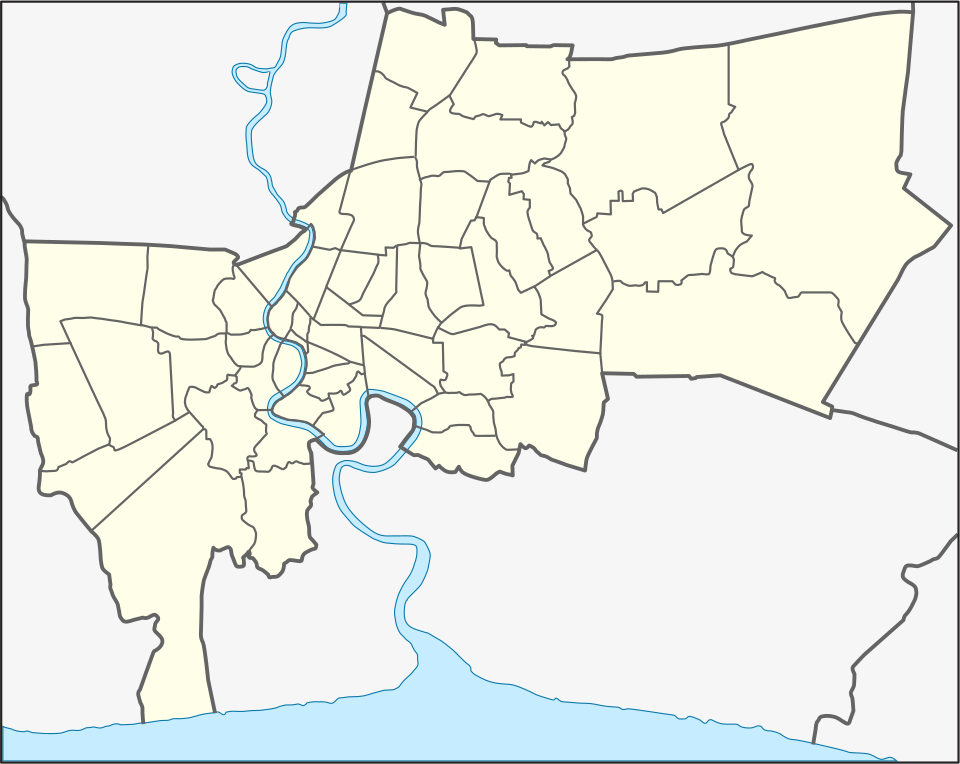 Old City Khao San Chinatown Talat Noi Riverside Bang Rak Silom Asiatique Pratunam Victory Monument Sukhumvit Thonglor Phra Khanong Ari Chatuchak


Hover a pin for a neighbourhood preview — no separate pages, just the map.
1. Old City (Rattanakosin)
Bangkok’s historic heart — the Grand Palace, Wat Pho, and Wat Arun sit within walking distance of each other, along the Chao Phraya. This is the sightseeing-places list Indian families often expect from “temple Bangkok.” A good alternative base if you want mornings on foot; it is less well-connected by rail than Sukhumvit. Pair it with a river crossing, not with Thonglor the same afternoon. This is the most traditional area of the capital.
2. Sukhumvit
Bangkok’s most modern, expat-heavy district — malls, international restaurants, and the city’s most convenient BTS Skytrain access. Generally the best all-round area for tourists who want hotels at every budget and evenings on the soi. It is long: Nana, Asok, and Phrom Phong feel different from Thonglor further east. Most first-timers from India should sleep here, then visit the Old City as a neighbourhood, not a hotel shuffle.
3. Silom
Bangkok’s business district by day, transforming into one of its busiest nightlife strips (Patpong) after dark. Direct BTS, a short hop to the river, and a calmer first night than Khao San. Suits travellers who want proximity to boats and the business-district energy without living on the temple island. Pick Silom or Sukhumvit as a base — not both in three nights.
4. Chinatown (Yaowarat)
Widely considered Bangkok’s best eating district — dim sum, roast duck, and street stalls that draw locals as much as tourists. A night neighbourhood more than a hotel strip. East of the Old City; do not assume it is next to Sukhumvit. Come hungry after 7pm, walk the main road, then duck a soi. On a Bangkok sightseeing places list this is the food chapter, then you leave.
5. Riverside
Home to luxury hotels like the Mandarin Oriental, riverside dining, and the ICONSIAM shopping complex with sweeping Chao Phraya views. Sleep here if ferries are the point of the trip; the BTS is a short shuttle away, not at the door of every hotel. A useful base for Silom-plus-temples without living in Rattanakosin. Not the first-timer’s mall-and-metro hub — Sukhumvit still wins that.
6. Khao San Road
Bangkok’s legendary backpacker strip — cheap food, bars, and a genuinely lively, chaotic atmosphere. Stay here only if that energy is the holiday. First-timers from India usually sleep better in Silom or Sukhumvit and visit once. Walking it costs nothing; sleeping here costs a quiet night. It is a neighbourhood to see, not a default hotel for a family trip.
7. Chatuchak
Home to the enormous Chatuchak Weekend Market (about 15,000 stalls) and a growing café scene around it. North of the hotel strip, BTS-accessible, Saturdays and Sundays only for the market itself. A daytime neighbourhood, not a three-night base. Midweek, the area is quieter and the market is closed — use MBK or Siam instead, which sit on the Sukhumvit/Siam side of the map.
8. Ari
A quieter, trendy neighbourhood popular with young Thai professionals — boutique cafés and a more local, less touristy feel. BTS Ari, north of the Sukhumvit crush. One of Bangkok’s hidden gem neighbourhoods. A morning or a lunch on a five-to-seven-day stay, not Day 1 after Suvarnabhumi. If Khao San felt like a souvenir street, Ari is the correction.
9. Thonglor & Ekkamai
Bangkok’s most stylish nightlife and dining district, known for craft cocktail bars and upscale Japanese and Thai restaurants. The eastern stretch of Sukhumvit — same Skytrain line, different evening. Sleep in central Sukhumvit and ride a few stops; do not treat it as a second hotel. Useful on a week when the Old City and Chinatown are already done. Not a temple postcard.
10. Talat Noi
A quiet riverside neighbourhood known for street art, old shophouses, and a slower pace close to Chinatown. The hidden-gem version of old Bangkok — less touristed than Rattanakosin, more photogenic than a second mall. A morning wander, then Yaowarat after dark if you still have appetite. Do not stack it with the Grand Palace before lunch; the heat and the walking disagree.
11. Pratunam
A wholesale and retail fashion market district, popular for budget shopping and easy access to the Baiyoke Sky Tower. Central, busy, and useful as an afternoon neighbourhood rather than a base. Indian travellers after cheap clothes and a packed market land here; it is not the first-timer’s sleep-and-BTS hub. Pair it with Siam malls on a midweek day when Chatuchak is closed.
12. Victory Monument
A local, less touristy transport hub with excellent, cheap street food and easy connections across the city. BTS and buses fan out from here. A meal stop more than a sightseeing-places destination. Good if you want Thai evening food without Yaowarat’s crush or Khao San’s soundtrack. Skip it as a hotel unless you already know the city.
13. Bang Rak
A quiet, historic riverside area near Silom with colonial-era architecture and boutique hotels. Walkable to the river ferries and a calmer night than Patpong. Suits travellers who want Silom’s connections without living on the nightlife strip. A neighbourhood to stay in, not a full day’s circuit. Pair it with the Old City by boat, not by tuk-tuk.
14. Phra Khanong
An up-and-coming neighbourhood with a growing café and street art scene, popular with Bangkok’s creative crowd. Further east on the Sukhumvit BTS than Thonglor. Another hidden gem: local, not a temple morning. Best on a week-long stay when the classic districts are already walked. Do not stack it with Rattanakosin and Yaowarat the same day.
15. Asiatique
A night market and entertainment complex on the riverfront, with a Ferris wheel and open-air dining — good for an easy evening out. Arrive by river or shuttle; traffic at the door is not the arrival. A half-evening neighbourhood, not a hotel base and not a third full day. Useful if Chatuchak is closed and you still want stalls after dark.
Where Should You Base Yourself in Bangkok?
Sukhumvit and Silom are the most convenient bases for first-time visitors — both have direct BTS Skytrain access across the city. Sukhumvit is the all-round hotel strip (malls, restaurants, every budget); Silom sits closer to the river and the business-district energy. The Old City (Rattanakosin) suits travellers who want to be walking distance from the main temples, though it is less well-connected by rail. Riverside hotels put you on Chao Phraya boats. Khao San is loud every night. Pick one hotel and stay put — Bangkok punishes a new neighbourhood every night.
- 3 days: sleep Sukhumvit or Silom; visit the Old City as one temple morning, Yaowarat as one food night, Chatuchak or a mall as the middle.
- 5–7 days: add Talat Noi or Ari, one evening in Thonglor, and Asiatique or Pratunam if shopping is the holiday. Phra Khanong only if you enjoy slower, local streets.
See 18 Best Things to Do in Bangkok for what to book once the neighbourhoods are fixed, and Best Time to Visit Bangkok if April heat changes how far you walk between districts. The Bangkok itineraries map temples versus food nights so you are not crossing the city twice before lunch.
Frequently Asked Questions
Sukhumvit and Silom are the most convenient areas for first-time visitors, with direct BTS Skytrain access. The Old City suits travellers wanting to be near the Grand Palace and main temples on foot.
Sukhumvit is generally considered the best all-round area — well-connected, packed with hotels and restaurants at every budget, and close to Bangkok’s main shopping malls.
Talat Noi, Ari, and Phra Khanong are Bangkok’s most-recommended hidden gems — each offers an authentic, local feel without the crowds of Khao San Road or the Old City.
A week comfortably covers 5–7 neighbourhoods, mixing the Old City’s temples with Chinatown’s food and Sukhumvit or Thonglor’s modern nightlife.
Both are excellent, well-connected choices. Sukhumvit suits travellers prioritising malls, restaurants, and expat-friendly amenities; Silom suits those wanting proximity to the river and Bangkok’s business district energy.
The Old City (Rattanakosin) is Bangkok’s most traditional area, home to the Grand Palace and Wat Pho, though Talat Noi offers a quieter, less-touristed version of old Bangkok nearby.