

Tokyo is the heart of most Japan trips that start with a long-haul flight: a walkable capital of shrines, neon, and depachika basements that sell better food than most restaurants elsewhere. Take Senso-ji at opening, then leave room to wander — the city rewards a gentle Day 1 in Shinjuku more than a temple raid on jet lag.
Three nights cover Asakusa, Shibuya, Meiji Jingu, and one neighbourhood evening. Two nights is a neon sprint. Five nights is when a Fuji day or a slower Harajuku afternoon stops feeling like a raid. The cards below open the detail.
Things to Do in Tokyo
Eighteen bookable experiences — the scramble, Senso-ji at opening, teamLab, and free views — with costs in rupees for a first trip from India.

Best Time to Visit Tokyo
Month-by-month weather, cherry-blossom timing, November foliage, and why August humidity changes a metro day — planned for travellers from India.
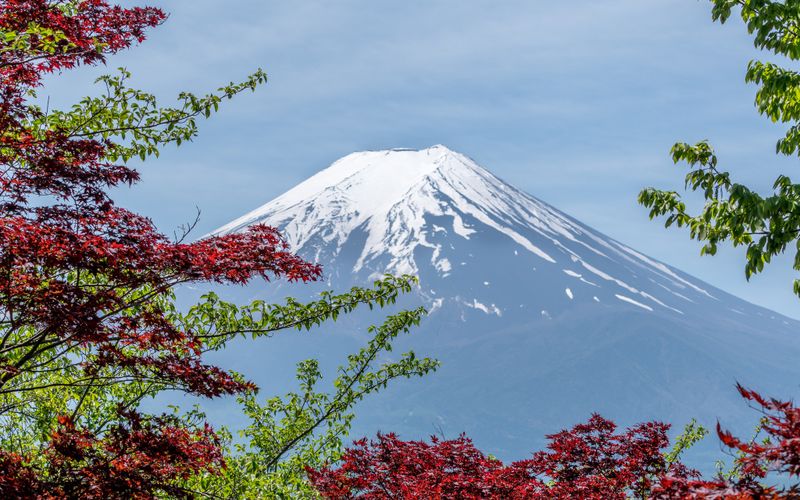
Places to Visit in Tokyo
Fifteen neighbourhoods — Shibuya, Shinjuku, Asakusa, and the quieter streets — so you know where to spend the days, not only what to book.
Tokyo Itineraries
Ready-made 2- and 3-day routes so you are not guessing east Tokyo versus west.
Tokyo Travel Tips
Suica, Narita Express, quiet trains, and why Day 1 should not be a temple raid.
What to see
No Japan trip that starts in the capital is complete without Senso-ji before 9am. Pair Asakusa with Ueno Park in spring, not with Meiji Jingu on the same tired legs after a night flight. Shibuya scramble is theatre; watch it from the Starbucks above if you want the view. Meiji Jingu is the forested shrine that still feels like a sanctuary. The Tokyo Metropolitan Government Building’s free deck (open until 10:30pm) is the skyline without a ticket.
Between stations, Shinjuku Gyoen, Takeshita Street, Omotesando architecture, and Omoide Yokocho yakitori are the city as a neighbourhood. One proper ramen counter after 8pm teaches you more than a third observation deck.
Where to stay
Shinjuku puts you on the metro and next to a gentle first evening — Takashimaya depachika, Shinjuku Gyoen, the free observation deck. Shibuya if the scramble is the holiday. You do not need a car. You do need a Suica, comfortable slip-on shoes, and a Day 1 that respects jet lag. Stay near Shinjuku or Tokyo Station if you have an early Shinkansen the next morning.
Easy day trip
Hakone (onsen, Fuji view, a ryokan night) is the classic extra — kinder as an overnight than a ropeway sprint. Kamakura’s Great Buddha is the closer coast day. Do not stack either with Senso-ji and Shibuya on the same day.
More must-visit places in Japan →
Tokyo Travel FAQs
Three nights cover Senso-ji, Shibuya, Meiji Jingu, and a Shinjuku evening. Two nights is a neon sprint. Five nights adds a Fuji day or a slower neighbourhood without treating the metro as the holiday.
Late March to May for sakura in Ueno, and October to November for maple in Shinjuku Gyoen. Summer is hot and humid. Winter is quieter and good for museums and ramen.
Shinjuku for first-night recovery, the metro, and Omoide Yokocho. Shibuya if you want the scramble on foot. You do not need a car.
Narita Express (N’EX) to Tokyo Station takes about 60 minutes. Keikyu from Haneda is the cheaper hop. Buy a Suica or Pasmo at the airport vending machine.
Yes. Arrive before 9am. Nakamise Street is the souvenir approach. Ueno Park is the cherry-blossom add-on in spring.
Yes — about 2 hours 15 minutes. Compare a JR Pass to point-to-point fares. The pass does not cover Nozomi — use Hikari or Sakura.