

Tokyo is not one city — it is a cluster of distinct neighbourhoods, each with its own character. Here are the 15 places worth building your Tokyo days around if you are visiting from India: where they sit, who they suit, and which ones belong on a first trip versus a slower week. For the activities inside each district, see Things to Do in Tokyo.
Quick Answer: The Neighbourhoods That Matter
The best places to visit in Tokyo are Shibuya, Shinjuku, Asakusa, Akihabara, Harajuku, Ginza, Ueno, and Roppongi — each offering a genuinely different side of the city, from neon nightlife to centuries-old temples. First-timers usually sleep in Shinjuku or Shibuya and metro to the rest.
Hover a pin on the map for a short preview of each neighbourhood — the same 15 places listed below.
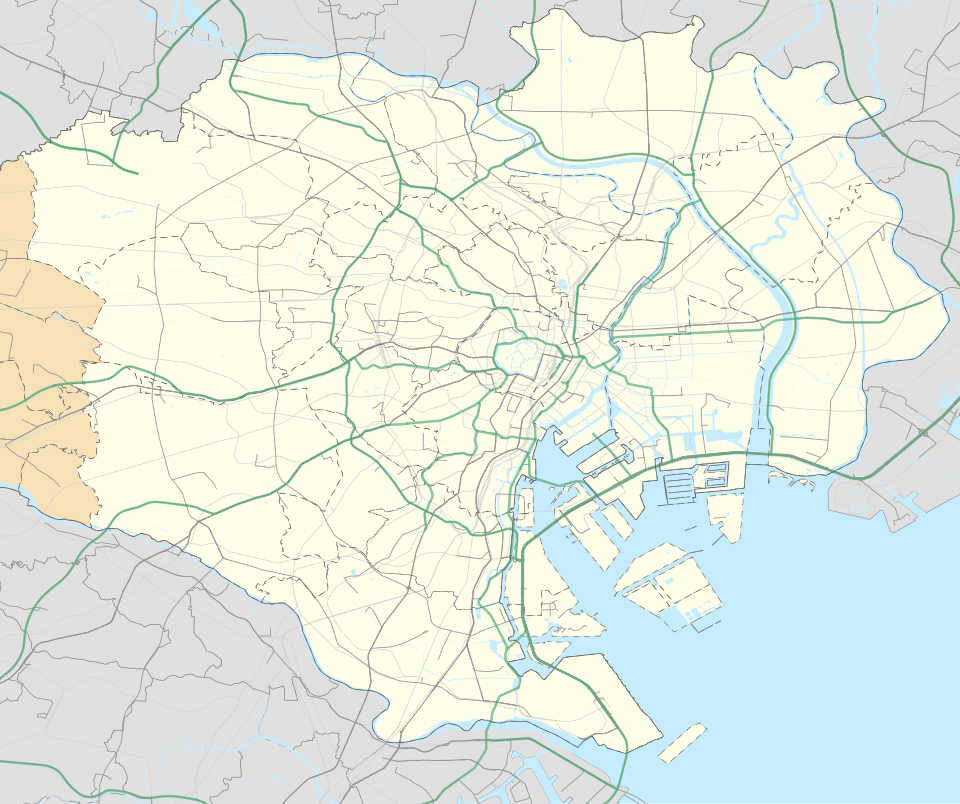 Shinjuku Shibuya Harajuku Omotesando Daikanyama Nakameguro Shimokitazawa Roppongi Ginza Tsukiji Akihabara Ueno Asakusa Yanaka Odaiba

Hover a pin for a neighbourhood preview — no separate pages, just the map.
1. Shibuya
Home to the world’s busiest pedestrian crossing and Tokyo’s youth fashion and nightlife hub. Base yourself here for easy access to Harajuku and Shinjuku on the Yamanote line. This is the best all-round area for tourists who want evenings on foot. It is loud, central, and not the place for a quiet first night after a Delhi–Narita flight — Shinjuku is kinder for that.
2. Shinjuku
Tokyo’s biggest transport hub, with the free Metropolitan Government observation deck, Shinjuku Gyoen, and the yakitori alleys of Omoide Yokocho. Hotels here make Hakone, Narita Express, and the west-Tokyo cluster simple. Slightly calmer than Shibuya as a base, still neon after dark. Most first-timers from India should start here, then visit Shibuya as a neighbourhood, not a hotel shuffle.
3. Asakusa
Old Tokyo — Senso-ji, Nakamise, and the most traditional-feeling neighbourhood close to central Tokyo. East of the Yamanote core; do not assume it is next to Shibuya. A good alternative base if you prefer quieter evenings and temple mornings. Pair it with Ueno on the same day, not with Meiji Jingu. This is the sightseeing place Indian families often expect from “temple Tokyo.”
4. Akihabara
Electric Town — anime merchandise, retro arcades, and multi-storey electronics stores. The heart of Japan’s otaku culture, a short hop from Ueno and Asakusa on the east side. A half-day neighbourhood, not a hotel base, unless the trip is built around it. Skip it on a shrine-only circuit; keep it if Tokyo tourist places for you include otaku streets.
5. Harajuku
Takeshita Street’s outrageous youth fashion, next to the forested Meiji Jingu precinct a few minutes’ walk away. West Tokyo, stacked with Shibuya and Omotesando. Stay in Shibuya and walk or take one stop. The shrine and the circus are the same pocket of the map — they feel like two cities. Weekday mornings are less of a crush.
6. Ginza
Tokyo’s most upscale shopping and dining district — flagship stores, depachika food halls, and some of the city’s most refined restaurants. Central, well-connected, and useful as an evening neighbourhood rather than a three-night base. Indian travellers after department-store tax-free and a dressed-up dinner land here; it is not the first-timer’s sleep-and-metro hub.
7. Ueno
Museums, a zoo, and Ueno Park — one of Tokyo’s best cherry-blossom spots in spring. East Tokyo, next to Asakusa and Akihabara on the map. A daytime cluster, not a nightlife base. See Best Time to Visit Tokyo if sakura is why you chose this neighbourhood. On a three-day trip it shares a morning with Asakusa, not with Shibuya.
8. Roppongi
Contemporary art at Mori, city views, and one of Tokyo’s more international nightlife districts. A useful extra evening, not a first-trip requirement. Hotels here suit longer stays and business travellers more than a three-night Golden Route start. Metro in from Shinjuku or Shibuya; do not treat it as a second base.
9. Odaiba
A futuristic waterfront district on reclaimed land in Tokyo Bay — evening walks, malls, and skyline views. Not a convenient hotel base for temple days. Pair it with Toyosu if teamLab Planets is on the list; otherwise it is a half-evening, not a third full day. The Yurikamome is the scenic ride out.
10. Daikanyama
Tokyo’s most stylish, low-key neighbourhood — boutique shopping and cafés, popular with locals rather than tour groups. One stop from Shibuya. A hidden-gem add-on after the scramble, not a replacement for Asakusa. Quiet enough for a slow coffee; not a sightseeing-places list on its own. Five-night stays have room for it; three-night sprints do not.
11. Omotesando
Tokyo’s “Champs-Élysées” — flagship architecture by major international architects, lined with luxury fashion stores. It sits between Harajuku and Aoyama; walk it as the grown-up street after Takeshita. Not a place to stay unless shopping is the trip. Indian travellers after flagship architecture and tax-free fashion use it as a west-Tokyo afternoon, then metro back to Shinjuku or Shibuya.
12. Yanaka
Old Tokyo’s quiet backstreets, largely untouched by WWII bombing — traditional shops, a slower pace, and far fewer tourists than Asakusa. Near Ueno, on the east side. The hidden-gem version of traditional Tokyo. A morning for a week-long stay, not Day 1 after Narita. If Asakusa felt like a souvenir street, Yanaka is the correction.
13. Shimokitazawa
Vintage clothing shops, independent theatres, and live-music venues — a favourite of Tokyo’s younger, artsier crowd. West of Shibuya on the Keio Inokashira or Odakyu lines. Another hidden gem: local, not a temple postcard. Best on a five-to-seven-day stay when the Golden Route neighbourhoods are already done. Do not stack it with Asakusa and Akihabara the same day.
14. Tsukiji
Tokyo’s famous former fish-market district — the outer market’s food stalls remain a top breakfast destination even after the wholesale market moved to Toyosu. East-central, an easy morning from Ginza or a metro hop from Shinjuku. Come for the neighbourhood as a food street, not as a hotel. It belongs on a Tokyo sightseeing places list because of breakfast, then you leave.
15. Nakameguro
A canal-side neighbourhood famous for cherry blossoms in spring and a growing café and boutique scene year-round. Near Daikanyama and convenient from Shibuya. Seasonal first, stylish second. If your dates miss sakura, it is still a pleasant west-Tokyo wander — not a must on three nights. Pair it with Daikanyama if you have a spare afternoon.
Where Should You Base Yourself in Tokyo?
Shinjuku and Shibuya are the most convenient bases for first-time visitors — both are major transport hubs with direct train lines to the rest of the city and to the airport. Shinjuku is slightly easier for Hakone and a calmer first night; Shibuya is better if nightlife and fashion are the holiday. Asakusa is a good alternative if you prefer a quieter, more traditional base near Tokyo’s older attractions. Pick one hotel and stay put — Tokyo punishes a new neighbourhood every night.
- 3 days: sleep Shinjuku or Shibuya; visit Asakusa–Ueno–Akihabara as one east day, Harajuku as part of the west.
- 5–7 days: add Yanaka, Daikanyama or Shimokitazawa, and one evening in Ginza or Roppongi. Odaiba and Nakameguro if the dates or the bay walk appeal.
See Things to Do in Tokyo for what to book once the neighbourhoods are fixed, and Best Time to Visit Tokyo if Ueno or Nakameguro only make sense in sakura season. The Tokyo itineraries map east versus west so you are not crossing the city twice before lunch.
Frequently Asked Questions
Shinjuku and Shibuya are the most convenient areas for first-time visitors — both are major train hubs with easy access across the city. Asakusa suits travellers wanting a quieter, more traditional base.
Shibuya is generally considered the best all-round area for tourists — central, well-connected, close to Harajuku and Shinjuku, and home to Tokyo’s most iconic sight, Shibuya Crossing.
Yanaka, Shimokitazawa, and Daikanyama are Tokyo’s most-recommended hidden gems — each offers an authentic, local feel without the crowds of Shibuya or Asakusa.
A week comfortably covers 6–8 neighbourhoods, mixing east Tokyo (Asakusa, Ueno, Akihabara) with west Tokyo (Shibuya, Shinjuku, Harajuku) over separate days.
Both are excellent, well-connected choices. Shibuya suits travellers prioritising nightlife and fashion; Shinjuku suits those wanting a slightly calmer base with easier access to day trips like Hakone.
Asakusa is Tokyo’s most traditional-feeling central neighbourhood, home to Senso-ji Temple and Nakamise shopping street, though Yanaka offers an even quieter, less-touristed version of old Tokyo.